Mastering Inner Peace: 7 Meditations for Stress Reduction
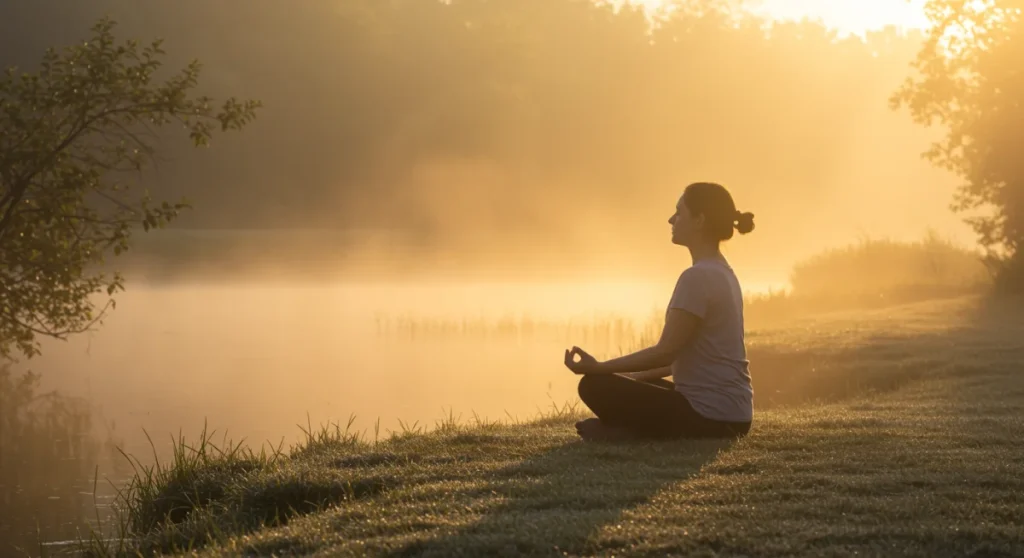
Attain deep calm and significantly alleviate daily pressures by focusing on mastering inner peace with seven accessible meditation practices designed to yield a 25% reduction in stress within three weeks.
In our fast-paced world, finding moments of tranquility can feel like a luxury. However, cultivating mastering inner peace is not just desirable; it’s essential for our overall well-being. This article will guide you through practical meditation techniques aimed at significant stress reduction, promising tangible improvements in a remarkably short period.
Understanding the Power of Meditation for Stress Reduction
Meditation has been practiced for thousands of years, evolving from ancient spiritual rituals to a recognized method for mental and emotional well-being. Its core principle involves training attention and awareness to achieve a mentally clear and emotionally calm state. In today’s demanding environment, stress has become a pervasive issue, impacting physical health, mental clarity, and emotional stability. Chronic stress can lead to a myriad of problems, including anxiety, depression, heart disease, and weakened immune function.
The scientific community has increasingly validated meditation’s profound effects on the brain and body. Studies show that regular meditation can alter brain structures, specifically increasing gray matter in areas associated with learning, memory, emotion regulation, and self-awareness. It also reduces activity in the amygdala, the brain’s ‘fear center,’ leading to a decrease in anxiety and stress responses. These physiological changes underscore why meditation is not merely a relaxation technique but a powerful tool for holistic health.
For those seeking to proactively manage stress and cultivate a more balanced life, incorporating meditation into daily routines offers a sustainable path. It equips individuals with the capacity to observe thoughts and emotions without being overwhelmed by them, fostering a sense of control and resilience. This foundational understanding sets the stage for exploring specific practices that can lead to significant improvements in inner peace and stress levels.
The Science Behind Meditation’s Calming Effect
The calming effects of meditation are not merely anecdotal; they are deeply rooted in neuroscientific and physiological changes within the body. When we engage in meditation, particularly mindfulness-based practices, we activate the parasympathetic nervous system, often referred to as the ‘rest and digest’ system. This activation counteracts the ‘fight or flight’ response triggered by the sympathetic nervous system, which is typically overactive during periods of stress.
Brain Changes and Hormonal Balance
Neuroimaging studies have revealed remarkable changes in the brain structure of meditators. The prefrontal cortex, responsible for executive functions like attention and decision-making, shows increased activity and thickness. Simultaneously, the amygdala, which processes fear and emotional reactions, tends to shrink. This rebalancing allows for better emotional regulation and a reduced reactivity to stressors.
- Reduced Cortisol Levels: Meditation helps lower cortisol, the primary stress hormone, which in turn reduces inflammation and supports overall health.
- Increased Serotonin and Dopamine: These neurotransmitters, associated with mood regulation and pleasure, are often boosted, contributing to feelings of well-being.
- Enhanced Neuroplasticity: The brain’s ability to reorganize itself by forming new neural connections is improved, allowing individuals to adapt better to new experiences and challenges.
Beyond the brain, meditation influences heart rate variability, blood pressure, and even gene expression, promoting a state of physiological calm and resilience. Understanding these internal mechanisms reinforces the efficacy of meditation as a robust stress-reduction strategy, moving beyond a simple relaxation technique to a profound method of self-regulation and healing.
Meditation 1: Mindful Breathing (Anapanasati)
Mindful breathing, or Anapanasati, is one of the most foundational and accessible meditation practices. It involves bringing your full attention to the sensation of your breath as it enters and leaves your body. This simple yet powerful technique serves as an anchor, drawing your awareness away from distracting thoughts and back to the present moment. It’s an excellent entry point for beginners and a continuous source of calm for experienced practitioners.
To practice mindful breathing, find a comfortable position, either sitting or lying down. Gently close your eyes or soften your gaze. Begin by observing your natural breath without trying to change it. Notice the sensation of air filling your lungs, the rise and fall of your abdomen or chest, and the feeling of air exiting your nostrils. When your mind inevitably wanders, which it will, gently guide your attention back to your breath without judgment. The key is not to stop thinking, but to become aware of your thoughts and choose where to place your attention.
Benefits of Focused Breathwork
Regular practice of mindful breathing can significantly reduce anxiety and stress, improve focus, and enhance emotional regulation. By consistently returning your attention to the breath, you train your mind to be less reactive and more present.
- Instant Calm: Provides an immediate sense of calm and grounding during stressful situations.
- Improved Concentration: Strengthens your ability to focus and sustain attention.
- Emotional Regulation: Helps you observe emotions without being swept away by them, fostering a sense of control.
This practice is incredibly versatile and can be done anywhere, anytime – whether you have five minutes or an hour. It demonstrates that mastering inner peace can begin with something as fundamental as conscious breathing. Consistent engagement with mindful breathing lays a solid groundwork for deeper meditative experiences and sustained stress relief.
Meditation 2: Body Scan Meditation for Deep Relaxation
Body scan meditation is a powerful practice designed to bring awareness to different parts of the body, noticing any sensations without judgment. This technique is particularly effective for releasing physical tension and promoting deep relaxation, which are often direct consequences of chronic stress. It helps reconnect the mind with the body, fostering a greater sense of embodiment and presence.
To begin a body scan, lie down comfortably on your back with your arms at your sides and palms facing up, or sit in a relaxed position. Close your eyes and take a few deep breaths to settle yourself. Start by bringing your attention to your toes, noticing any sensations there – tingling, warmth, coolness, or pressure. Without trying to change anything, simply observe. Then, slowly move your awareness up through your feet, ankles, calves, knees, thighs, and so on, progressively moving through your entire body. As you focus on each area, acknowledge any tension you find and, on an exhale, imagine that tension releasing.
Cultivating Present Moment Awareness
This systematic journey through the body not only alleviates physical discomfort but also trains the mind to stay present. It’s an exercise in non-judgmental observation, teaching you to accept what is, rather than resisting it. This acceptance is a crucial step towards mastering inner peace.
- Releases Muscle Tension: Directly addresses physical tension stored in the body due to stress.
- Improves Body Awareness: Enhances your understanding of your body’s signals and needs.
- Better Sleep Quality: Often used as a technique to promote relaxation before sleep, aiding in overcoming insomnia.
The body scan is an excellent practice for grounding yourself and reducing the physical manifestations of stress. By regularly checking in with your body, you become more attuned to its subtle cues, allowing you to address stress before it escalates. This type of meditation helps in fostering a profound connection between your mental and physical states, contributing significantly to overall well-being.
Meditation 3: Loving-Kindness (Metta) Meditation
Loving-kindness, or Metta, meditation is a heartwarming practice focused on cultivating feelings of goodwill, kindness, and warmth towards oneself and others. Unlike some meditations that emphasize passive observation, Metta actively encourages the generation of positive emotions. This practice is incredibly effective for reducing self-criticism, fostering empathy, and alleviating feelings of anger, resentment, and isolation, all of which contribute to stress.
The practice typically involves silently repeating a series of phrases that express loving-kindness. You start by directing these wishes towards yourself: ‘May I be safe. May I be happy. May I be healthy. May I live with ease.’ After cultivating these feelings for yourself, you extend them outwards, first to loved ones, then to neutral individuals, then to difficult people, and finally to all beings without exception. The goal is to open your heart and soften any hardened edges that stress might have created.
Expanding Compassion and Reducing Negativity
Metta meditation systematically dismantles the barriers we often build around ourselves, allowing for a greater sense of connection and compassion. This outward projection of positive feelings cycles back, creating a more peaceful internal state.
- Boosts Positive Emotions: Actively cultivates feelings of joy, contentment, and empathy.
- Reduces Negative Self-Talk: Helps to replace self-criticism with self-compassion.
- Improves Relationships: Fosters a greater sense of connection and forgiveness towards others.
By regularly practicing Loving-Kindness meditation, you can transform your emotional landscape, making it more resilient to stress and more inclined towards joy. This practice is a powerful step in mastering inner peace, as it addresses the emotional roots of stress by fostering a more compassionate outlook on life and self.
Meditation 4: Transcendental Meditation (TM) Basics
Transcendental Meditation (TM) is a specific, mantra-based meditation technique that has gained widespread popularity for its simplicity and effectiveness in reducing stress and promoting deep relaxation. Unlike some other forms of meditation, TM involves sitting comfortably with closed eyes and silently repeating a specific mantra, a sound or word, given by a certified TM teacher. The mantra is chosen to be meaningless to the practitioner, allowing the mind to settle effortlessly into a state of ‘restful alertness.’
The practice typically lasts 15-20 minutes, twice a day. The key characteristic of TM is its effortlessness. Practitioners are instructed not to concentrate on the mantra, but rather to allow it to repeat naturally in the mind. If thoughts arise, they are simply observed without judgment, and the attention gently returns to the mantra. This passive approach allows the mind to transcend ordinary thought processes and experience deeper levels of consciousness, where profound rest and calm reside.
Effortless Path to Deep Calm
TM is particularly effective because it allows the nervous system to achieve a state of rest that is deeper than sleep, facilitating the release of accumulated stress and tension. The benefits extend beyond the meditation session, influencing daily life with increased clarity, creativity, and reduced anxiety.
- Deep Rest and Stress Release: Provides a unique state of rest that helps dissolve deep-seated stress.
- Improved Cognitive Function: Enhances mental clarity, focus, and problem-solving abilities.
- Reduced Anxiety and Depression: Studies show significant improvements in symptoms of anxiety and depression.
While TM requires instruction from a certified teacher, its structured yet effortless nature makes it a highly effective method for mastering inner peace. Its consistent practice offers a reliable pathway to sustained mental and emotional balance, providing a powerful antidote to the pressures of modern life.
Meditation 5: Walking Meditation for Grounding
Walking meditation is a dynamic practice that brings mindfulness to the act of walking. It’s an excellent technique for those who find sitting meditation challenging or who want to integrate mindfulness into their daily activities. This practice helps to ground you in the present moment, connecting you with your body and your surroundings, thereby reducing mental chatter and stress. It transforms a mundane activity into an opportunity for profound awareness.
To practice walking meditation, find a quiet space where you can walk undisturbed, either indoors or outdoors. Begin by standing still for a moment, feeling your feet on the ground. Then, start walking slowly, paying close attention to every sensation: the lifting of your foot, the slight shift of weight, the movement of your leg, the placement of your heel, and the rolling of your foot onto the ground. Notice the subtle balance shifts and the rhythm of your steps. Your gaze can be soft, looking a few feet ahead of you. When your mind wanders, gently bring it back to the sensations of walking.
Integrating Mindfulness into Movement
This practice is not about reaching a destination quickly, but about experiencing each step fully. It can be done for short periods, like walking from your car to your office, or for longer, dedicated sessions. The benefits include enhanced body awareness, reduced anxiety, and a greater connection to the present moment.
- Reduces Restlessness: Ideal for individuals who struggle with stillness during seated meditation.
- Increases Sensory Awareness: Heightens your connection to your body and immediate environment.
- Natural Stress Reliever: Combines physical movement with mental focus to calm the nervous system.
Walking meditation offers a practical and accessible way of mastering inner peace, especially for those with busy lifestyles. By consciously engaging with the act of walking, you cultivate a sense of presence and tranquility that can permeate other aspects of your day, making you more resilient to stress.
Meditation 6: Visualization for Positive Outcomes
Visualization meditation involves creating vivid mental images of positive scenarios, desired outcomes, or peaceful environments. This practice harnesses the power of the mind to influence emotions and even physical states. By intentionally focusing on positive imagery, you can shift your mindset, reduce anxiety, and cultivate feelings of hope and optimism. It’s a powerful tool for stress reduction as it moves the mind away from negative thought patterns and towards constructive, calming imagery.
To practice visualization, find a quiet and comfortable place to sit or lie down. Close your eyes and take a few deep breaths to relax your body and mind. Then, begin to imagine a scene that brings you peace and joy. This could be a serene beach, a lush forest, a cozy room, or any place where you feel completely safe and relaxed. Engage all your senses in this mental image: what do you see, hear, smell, feel, and even taste in this imagined space? Allow the positive emotions associated with this scene to wash over you. You can also visualize yourself successfully navigating a challenging situation or achieving a personal goal, feeling the positive emotions of that success.
Harnessing the Mind’s Creative Power
This technique is not about avoiding reality, but about intentionally shaping your internal experience to foster resilience and well-being. Regular visualization can rewire your brain to respond more positively to stress and increase your overall sense of contentment.
- Reduces Anxiety and Fear: By replacing negative thoughts with positive imagery.
- Boosts Confidence: Visualizing success can prepare you mentally for real-life challenges.
- Enhances Relaxation: Creates a mental escape to a peaceful state, calming the nervous system.
Visualization meditation is an active and creative way to contribute to mastering inner peace. It empowers you to consciously direct your thoughts and emotions, fostering a more positive outlook and reducing the impact of daily stressors. This practice highlights the profound connection between imagination and well-being.
Meditation 7: Sound Bath and Mantra Chanting
Sound bath and mantra chanting meditations utilize specific sounds and vocalizations to induce a state of deep relaxation and altered consciousness. Sound baths involve being immersed in resonant sounds produced by instruments like singing bowls, gongs, and chimes, while mantra chanting uses the repetition of sacred sounds or phrases. Both methods leverage the vibrational qualities of sound to calm the nervous system, quiet the mind, and facilitate a profound sense of inner peace.
In a sound bath, participants typically lie down comfortably while a practitioner plays various instruments, allowing the sounds and vibrations to wash over them. The frequencies and harmonics can penetrate the body, promoting a deep cellular relaxation. For mantra chanting, one might repeat a word or phrase, either silently or aloud. The rhythmic repetition helps to focus the mind, preventing it from wandering and creating a meditative state. Popular mantras include ‘Om’ or ‘So Hum,’ each carrying specific energetic qualities.
Vibrational Healing and Mental Focus
These practices are particularly effective for those who find it difficult to quiet their minds through silent meditation. The external focus on sound provides an anchor, guiding the mind into a state of calm and receptivity. The vibrational aspect of sound baths can also help release energetic blockages and promote emotional healing.
- Deep Relaxation: Sounds and vibrations can induce a state of profound calm, easing tension.
- Mental Clarity: Chanting helps to focus the mind and reduce mental chatter.
- Emotional Release: The therapeutic vibrations can facilitate emotional processing and release.
Engaging in sound bath or mantra chanting meditations offers a unique and powerful pathway to mastering inner peace. These practices provide a sensory-rich experience that can be incredibly effective in reducing stress, promoting emotional balance, and fostering a deep connection to one’s inner self. They highlight how external stimuli, when used mindfully, can become potent tools for internal transformation.
| Meditation Type | Primary Benefit |
|---|---|
| Mindful Breathing | Immediate calm and enhanced focus. |
| Body Scan | Releases physical tension and promotes deep relaxation. |
| Loving-Kindness | Cultivates compassion and reduces negative emotions. |
| Transcendental | Effortless path to deep rest and stress release. |
Frequently Asked Questions About Meditation
While individual experiences vary, many people report noticeable stress reduction within 3 weeks of consistent daily meditation practice. Significant, lasting changes in brain structure and emotional regulation can develop over several months of regular engagement.
No, you don’t need a special environment. While a quiet, peaceful space can be helpful, the essence of meditation is cultivating inner stillness regardless of external conditions. Many techniques can be practiced anywhere, even in busy settings.
Absolutely. A racing mind is a common experience, especially for beginners. Meditation isn’t about stopping thoughts but observing them without judgment and gently returning focus. Practices like mindful breathing or mantra chanting are excellent for active minds.
Yes, children can greatly benefit from age-appropriate meditation. Simple mindfulness exercises, like focusing on breath or senses, can help them manage emotions, improve concentration, and reduce anxiety and stress from an early age.
Falling asleep during meditation, especially body scans, is common, particularly if you are tired. It indicates a need for rest. If it happens frequently, try meditating in a seated position, ensuring you are well-rested before starting your practice.
Conclusion
Mastering inner peace is not a distant ideal but a tangible goal achievable through consistent practice and dedication to techniques like the seven meditations explored. From the grounding simplicity of mindful breathing to the expansive compassion of loving-kindness, each practice offers a unique pathway to significant stress reduction and enhanced well-being. By integrating these methods into your daily life, you are not just managing stress; you are actively cultivating resilience, clarity, and a profound sense of calm that can transform your entire experience of life. The journey begins with a single breath, a single moment of awareness, and the commitment to nurture your inner world.