Spiritual Wellness Trends 2026: Mindfulness vs. Energy Healing
The evolving landscape of spiritual wellness in 2026 shows a clear ascendance of mindfulness and energy healing practices, both offering distinct yet complementary pathways to inner balance and holistic well-being for individuals seeking profound personal growth.
As we navigate the complexities of modern life, the pursuit of inner peace and holistic well-being has never been more critical. In this context, understanding spiritual wellness trends 2026 offers invaluable insights into the practices shaping our collective journey towards balance and fulfillment. This article delves into a data-backed comparison of mindfulness and energy healing, two prominent modalities gaining significant traction.
The Evolving Landscape of Spiritual Wellness
Spiritual wellness, often misunderstood as solely religious, encompasses a much broader spectrum of practices aimed at connecting with one’s inner self, purpose, and universal energies. In recent years, there has been a significant shift towards more secular and personalized approaches, driven by a desire for tangible results and a holistic understanding of health.
The year 2026 marks a pivotal point where data-driven insights are increasingly validating the efficacy of these ancient practices reimagined for contemporary life. People are seeking not just relief from stress but a deeper sense of meaning and connection.
The Rise of Personalized Spiritual Journeys
- Customized Practices: Individuals are moving away from one-size-fits-all approaches, opting for spiritual practices tailored to their unique needs and lifestyles.
- Digital Integration: Technology plays a crucial role, offering apps, online courses, and virtual communities that make spiritual wellness more accessible.
- Evidence-Based Approaches: A growing demand for scientific validation is pushing practitioners to integrate research into their methods, enhancing credibility and trust.
This evolving landscape underscores a fundamental human need for inner harmony, a need that mindfulness and energy healing are exceptionally well-positioned to address. The focus is no longer just on physical health, but on the intricate interplay between mind, body, and spirit, recognizing that true well-being arises from congruence across all these dimensions.
Mindfulness: A Cornerstone of Inner Balance
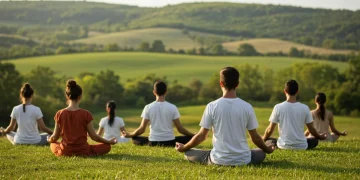
Mindfulness, a practice rooted in ancient Buddhist traditions, has gained mainstream acceptance and scientific validation as a powerful tool for enhancing mental clarity, reducing stress, and fostering emotional regulation. Its core principle involves paying attention to the present moment without judgment.
Data from recent studies consistently highlights the profound impact of mindfulness-based interventions on various aspects of well-being, from improved cognitive function to decreased symptoms of anxiety and depression. Its simplicity and adaptability make it an attractive option for many seeking spiritual growth.
Scientific Validation and Accessibility
Numerous research institutions, including universities and medical centers, have published extensive findings supporting the benefits of mindfulness. This scientific backing has played a crucial role in its widespread adoption, moving it from esoteric practice to a respected therapeutic modality.
- Stress Reduction: Mindfulness meditation has been shown to lower cortisol levels, the body’s primary stress hormone.
- Enhanced Focus: Regular practice improves attention span and cognitive flexibility.
- Emotional Regulation: Individuals learn to observe their emotions without being overwhelmed, leading to more measured responses.
- Improved Sleep: By calming the mind, mindfulness aids in achieving deeper, more restorative sleep.
The accessibility of mindfulness is another key factor in its popularity. With countless apps, guided meditations, and workshops available, individuals can easily integrate mindfulness into their daily routines, regardless of their experience level. This ease of access ensures that a broader demographic can benefit from its profound effects on inner balance.
Energy Healing: Tapping into Universal Frequencies
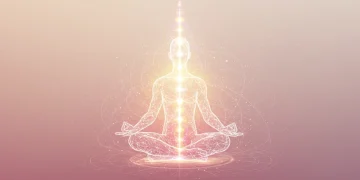
Energy healing, an umbrella term for various practices like Reiki, Qigong, and therapeutic touch, operates on the premise that the human body is surrounded by and permeated with an energy field. Disruptions or imbalances in this field are believed to contribute to physical and emotional ailments.
Practitioners of energy healing aim to restore balance and harmony to this energy field, facilitating the body’s natural healing processes. While often perceived as more esoteric than mindfulness, emerging data and anecdotal evidence are increasingly pointing to its efficacy in promoting holistic wellness.
Diverse Modalities and Growing Acceptance
The landscape of energy healing is rich and varied, with each modality offering a unique approach to energy manipulation. From the gentle touch of Reiki to the flowing movements of Qigong, these practices share a common goal: to enhance the flow of vital energy within and around the body.
- Reiki: A Japanese technique for stress reduction and relaxation that also promotes healing, administered by “laying on hands.”
- Qigong: A traditional Chinese practice involving slow, deliberate movements, meditation, and breathing exercises to cultivate and balance qi (life energy).
- Therapeutic Touch: A contemporary interpretation of ancient healing practices involving the conscious use of hands to facilitate the healing process.
Despite historical skepticism, energy healing is steadily gaining acceptance, particularly within integrative health settings. Hospitals and wellness centers are increasingly offering these services as complementary therapies, recognizing their potential to support conventional treatments and improve patient outcomes. This growing integration reflects a broader shift towards acknowledging the interconnectedness of mind, body, and spirit in the healing process.
Data-Backed Insights: Mindfulness vs. Energy Healing Efficacy
When comparing mindfulness and energy healing, it’s crucial to examine the available data to understand their distinct yet often complementary benefits. Both practices are effective in promoting spiritual wellness, but they achieve this through different mechanisms and address varying aspects of an individual’s well-being.
Mindfulness primarily works by training the mind to be present and non-reactive, leading to psychological and emotional benefits. Energy healing, on the other hand, focuses on subtle energy fields, aiming to rebalance the body’s energetic system, which can have profound physical and emotional effects.
Comparative Efficacy and Applications
Recent studies indicate that mindfulness excels in areas related to cognitive and emotional regulation. For instance, a meta-analysis published in the Journal of Consulting and Clinical Psychology found strong evidence for mindfulness-based stress reduction (MBSR) in alleviating anxiety and depression symptoms. The practice’s ability to foster self-awareness and detachment from negative thought patterns is well-documented.
Energy healing, while having a different research trajectory, shows promising results in areas such as pain management, reducing fatigue, and promoting relaxation. A review in the Journal of Alternative and Complementary Medicine highlighted studies where Reiki effectively reduced pain and anxiety in hospitalized patients. The subjective experience of receiving energy healing often involves feelings of deep relaxation and a sense of energetic release, which can be difficult to quantify but are consistently reported by recipients.
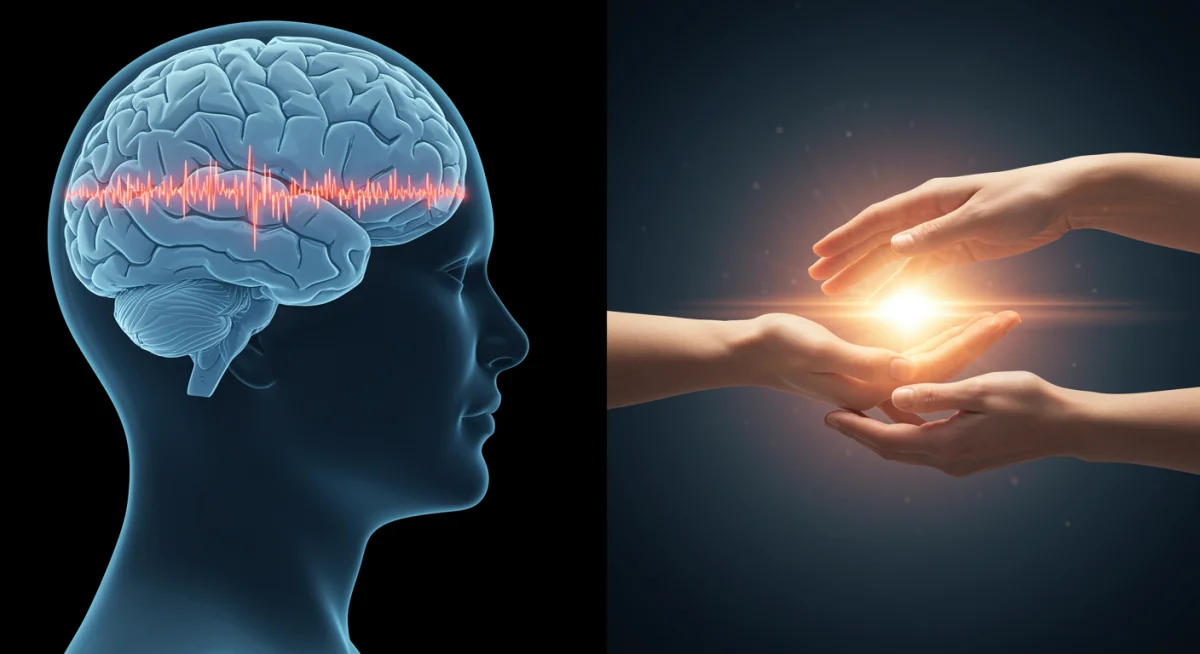
It’s important to note that the scientific methodologies for studying these two modalities can differ. Mindfulness research often utilizes neuroimaging and psychological assessments, while energy healing studies may rely more on self-reported outcomes and physiological markers like heart rate variability. Both approaches contribute valuable data to our understanding of spiritual wellness.
Synergy and Integration of Practices
Rather than viewing mindfulness and energy healing as competing trends, the spiritual wellness landscape of 2026 increasingly emphasizes their potential for synergy. Many individuals are discovering that combining these practices can lead to a more comprehensive and profound path to inner balance and holistic well-being.
Integrating mindfulness with energy healing allows individuals to address both their mental and energetic states simultaneously. For example, practicing mindfulness during an energy healing session can deepen the experience, enhancing awareness of subtle energy shifts and emotional releases.
Holistic Approaches to Well-being
The concept of holistic health stresses the interconnectedness of all aspects of an individual – physical, mental, emotional, and spiritual. By combining mindfulness, which cultivates mental presence, with energy healing, which addresses the energetic blueprint, individuals can achieve a more integrated state of wellness.
- Enhanced Self-Awareness: Mindfulness can heighten one’s perception of energetic shifts during healing sessions.
- Deeper Relaxation: The combination can induce profound states of relaxation, promoting cellular repair and stress reduction.
- Emotional Release: Mindful observation of emotions during energy work can facilitate the release of deeply held energetic blockages.
- Personalized Integration: Individuals can tailor their combined practice to suit their specific needs, whether for stress, chronic pain, or spiritual growth.
This integrated approach is gaining traction among practitioners and seekers alike, as it offers a more robust framework for personal transformation. The convergence signifies a maturing understanding of spiritual wellness, moving beyond isolated practices to embrace a more fluid and interconnected methodology.
Future Outlook: Predictions for Spiritual Wellness in 2026
Looking ahead to 2026, several key predictions emerge regarding the trajectory of spiritual wellness. The trends suggest a continued emphasis on data-backed practices, greater accessibility, and a deeper integration into mainstream healthcare and personal development.
We anticipate further research validating the physiological and psychological benefits of both mindfulness and various energy healing modalities. This will likely lead to increased acceptance and integration into clinical settings, offering more diverse options for patient care.
Key Trends and Innovations
- AI-Powered Wellness: Artificial intelligence will play a larger role in personalizing spiritual practices, from AI-guided meditations to adaptive energy healing protocols based on biometric data.
- Virtual Reality and Augmented Reality: Immersive VR/AR experiences will offer new avenues for mindfulness and energetic visualization, making these practices more engaging and accessible.
- Community-Based Wellness: The demand for group-based spiritual practices, both online and in-person, will grow, fostering a sense of belonging and collective healing.
- Corporate Wellness Programs: Businesses will increasingly incorporate spiritual wellness programs, including mindfulness training and energy breaks, to boost employee well-being and productivity.
The future of spiritual wellness is bright, characterized by innovation, scientific rigor, and a human-centered approach. As more individuals seek sustainable paths to inner peace and vitality, mindfulness and energy healing will undoubtedly remain at the forefront of these transformative movements, continually evolving to meet the needs of a changing world.
Navigating Your Spiritual Wellness Journey
Embarking on a spiritual wellness journey is a deeply personal and transformative experience. With the myriad of options available, especially within the dynamic landscape of 2026, it can be beneficial to understand how to best navigate your path, whether you’re drawn to mindfulness, energy healing, or a combination of both.
The key lies in self-exploration and an openness to different modalities. What works for one person may not resonate with another, and the effectiveness of any practice often depends on individual receptivity and consistent engagement.
Practical Steps for Engagement
Before committing to any practice, it’s advisable to do thorough research and, if possible, experience introductory sessions. Online resources, workshops, and certified practitioners can provide valuable guidance.
- Start Small: Begin with short, manageable sessions, especially for mindfulness meditation. Even five minutes a day can yield significant benefits.
- Seek Qualified Practitioners: For energy healing, ensure your practitioner is certified and has a good reputation. Word-of-mouth recommendations and online reviews can be helpful.
- Listen to Your Body: Pay attention to how different practices make you feel. Your body and intuition are excellent guides in determining what resonates with you.
- Journal Your Experiences: Documenting your journey can help you track progress, identify patterns, and deepen your understanding of your inner world.
- Combine Practices Thoughtfully: If you choose to integrate mindfulness and energy healing, consider how they complement each other and how they fit into your daily schedule.
Ultimately, the most effective spiritual wellness journey is one that is tailored to your unique needs and evolves with you. By embracing curiosity and an experimental mindset, you can unlock profound levels of inner balance and well-being, paving the way for a more fulfilling and harmonious life in 2026 and beyond.
| Key Trend | Brief Description |
|---|---|
| Mindfulness Expansion | Increased scientific validation and integration into daily life for stress reduction and focus. |
| Energy Healing Growth | Rising acceptance in integrative health for pain management and energetic balance. |
| AI & Digital Wellness | Technology personalizing and enhancing spiritual practices through AI and VR/AR. |
Frequently Asked Questions About Spiritual Wellness Trends 2026
The primary spiritual wellness trends for 2026 include the continued rise of data-backed mindfulness practices, increased acceptance and integration of various energy healing modalities, and a growing emphasis on personalized, integrated approaches to holistic well-being, often supported by digital tools.
Mindfulness contributes to inner balance by training individuals to focus on the present moment without judgment. This practice enhances mental clarity, reduces stress, improves emotional regulation, and fosters a deeper connection to one’s internal experiences, leading to a more stable and peaceful state of mind.
While research into energy healing is still evolving, a growing body of scientific literature and anecdotal evidence suggests its efficacy in areas like pain reduction, anxiety relief, and promoting relaxation. Studies often highlight subjective improvements and physiological markers like reduced heart rate variability, supporting its role as a complementary therapy.
Absolutely. Many individuals find that combining mindfulness with energy healing creates a synergistic effect, deepening the overall experience. Mindfulness can enhance awareness during energy work, making subtle energetic shifts more perceptible and facilitating emotional release, leading to more profound holistic benefits.
By 2026, technology is expected to significantly enhance spiritual wellness through AI-powered personalization, virtual and augmented reality experiences for immersive practice, and digital platforms fostering global community connections. These innovations will make practices more accessible, engaging, and tailored to individual needs.
Conclusion
The spiritual wellness landscape of 2026 is characterized by a dynamic interplay between ancient wisdom and modern innovation. Mindfulness and energy healing stand out as leading trends, offering distinct yet powerful pathways to inner balance and holistic well-being. While mindfulness provides a robust framework for mental and emotional regulation, energy healing offers a means to harmonize the body’s subtle energetic systems. The increasing scientific validation and the growing trend towards integrating these practices underscore a collective desire for deeper meaning and sustainable health. As we move forward, embracing both data-backed insights and personal exploration will be key to unlocking the full potential of these transformative spiritual journeys.