CBD for Wellness: 2026 Legal Status & Stress Relief Applications
By 2026, the legal status of CBD in the US continues to evolve, offering new avenues for natural wellness; this guide explores its current regulatory landscape and six practical applications for stress relief.
Navigating the world of natural wellness can often feel complex, especially when considering emerging remedies like cannabidiol (CBD). If you’re seeking insight into how CBD for wellness is perceived and utilized in 2026, particularly for stress relief in the United States, you’ve come to the right place. This article will demystify its legal standing and practical applications, offering a clear path to understanding its potential benefits.
The Evolving Legal Landscape of CBD in the US (2026)
The legal status of CBD has been a dynamic and often confusing area since the passage of the 2018 Farm Bill, which federally legalized hemp-derived CBD with less than 0.3% THC. However, as we stand in 2026, the regulatory environment continues to evolve, presenting a more nuanced picture across different states and federal agencies. This ongoing development means consumers and businesses alike must remain vigilant about the specific rules governing CBD products.
While the federal government, primarily through the Food and Drug Administration (FDA), has maintained a cautious stance on CBD’s use in food, beverages, and dietary supplements, individual states have taken varied approaches. Some states have established comprehensive regulatory frameworks, encompassing everything from cultivation and processing to labeling and sales. Others have adopted more lenient policies, leading to a patchwork of regulations that can be challenging to navigate.
Federal vs. State Regulations
Understanding the distinction between federal and state laws is crucial when it comes to CBD. The 2018 Farm Bill provided the initial federal framework, but it left significant room for states to establish their own regulations. This has resulted in:
- Varying Product Standards: States often impose different requirements for CBD product testing, potency, and purity, impacting consumer safety and product consistency.
- Labeling and Marketing Restrictions: Rules around what can be claimed on CBD product labels and in marketing materials differ widely, with some states being much stricter than the FDA.
- Sales and Distribution Channels: The legality of selling CBD in certain retail environments, such as grocery stores or pharmacies, can vary from one state to another.
These disparities underscore the importance of checking local laws, even when a product is federally compliant. Consumers should always be aware of their state’s specific guidelines to ensure they are purchasing and using CBD legally.
The FDA’s Stance and Future Outlook
The FDA’s position remains a critical factor in the broader legal landscape. While they have approved one CBD-based prescription drug, Epidiolex, for certain seizure disorders, they have not yet established clear regulations for non-pharmaceutical CBD products. This regulatory vacuum creates uncertainty for manufacturers and consumers, even as public demand for CBD continues to grow.
In 2026, discussions around potential federal legislation to clarify CBD’s status as a dietary supplement or food additive are ongoing. Such legislation could bring much-needed uniformity and stability to the market. However, until then, consumers should exercise caution and prioritize products from reputable brands that adhere to transparent manufacturing practices and provide third-party lab testing results. The legal journey of CBD is far from over, but the trend points towards increasing clarity and acceptance, albeit at a gradual pace.
Understanding CBD’s Mechanism for Stress Relief
The growing interest in CBD for wellness, particularly for managing stress, stems from its interaction with the body’s endocannabinoid system (ECS). This complex biological system plays a crucial role in regulating various physiological processes, including mood, sleep, appetite, and immune response. By influencing the ECS, CBD is believed to help restore balance and promote a sense of calm, making it a popular choice for those seeking natural stress relief.
Unlike THC, the psychoactive compound in cannabis, CBD does not produce a ‘high.’ Instead, its effects are thought to be more subtle, working to modulate the body’s natural responses to stress. This non-intoxicating nature makes it an attractive option for individuals who want to alleviate stress without experiencing altered mental states.
How CBD Interacts with the Endocannabinoid System
The ECS consists of cannabinoid receptors (CB1 and CB2), endocannabinoids (naturally produced cannabinoids), and enzymes that break them down. CBD does not directly bind to CB1 or CB2 receptors in the same way THC does. Instead, it is thought to influence the ECS indirectly through several mechanisms:
- Modulating Receptor Activity: CBD may interact with other receptors, such as serotonin receptors (5-HT1A), which are involved in mood regulation and anxiety. This interaction could explain its potential anxiolytic effects.
- Enhancing Endocannabinoid Levels: CBD may inhibit the enzymes that break down endocannabinoids, thereby increasing their levels in the body. Higher levels of endocannabinoids could lead to a more balanced and resilient response to stress.
- Reducing Inflammation: Chronic inflammation is often linked to stress and various health conditions. CBD has demonstrated anti-inflammatory properties, which could contribute to its overall calming effects.
The multifaceted way CBD interacts with the body suggests it has a broad impact on physiological functions related to stress. This holistic approach to wellness is what draws many individuals to incorporate CBD into their daily routines.
Scientific Evidence and Ongoing Research
While anecdotal evidence for CBD’s stress-relieving properties is abundant, scientific research is continuously emerging to provide a clearer understanding of its efficacy. Numerous preclinical studies and some human trials have indicated CBD’s potential to reduce anxiety and improve sleep, both of which are critical components of stress management. For instance, studies have shown that CBD can help alleviate social anxiety disorder symptoms and improve sleep patterns in individuals with sleep disturbances.
Researchers are also exploring CBD’s potential in managing other stress-related conditions, such as post-traumatic stress disorder (PTSD). As the legal landscape becomes clearer, more extensive clinical trials are expected to provide definitive answers regarding optimal dosages, long-term effects, and specific applications for stress relief. For now, the existing body of evidence, combined with personal experiences, paints a promising picture for CBD as a tool in the wellness arsenal.
Practical Application 1: CBD Tinctures for Immediate Calm
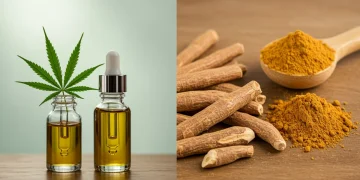
One of the most popular and effective ways to experience the benefits of CBD for wellness, particularly for immediate stress relief, is through tinctures. These liquid extracts, typically administered sublingually (under the tongue), allow for rapid absorption into the bloodstream, making them ideal for quick-acting effects when stress levels begin to rise. The ease of use and customizable dosing make tinctures a versatile option for many.
Tinctures typically come with a dropper, allowing users to precisely measure their desired dose. This precision is crucial, as the optimal CBD dosage can vary significantly from person to person depending on individual physiology, the severity of stress, and the product’s concentration. Starting with a low dose and gradually increasing it until the desired effect is achieved is a common and recommended practice.
Choosing the Right Tincture
When selecting a CBD tincture for stress relief, several factors should be considered to ensure both efficacy and safety. The market is flooded with options, so knowing what to look for can make a significant difference:
- Full-Spectrum vs. Broad-Spectrum vs. Isolate: Full-spectrum tinctures contain all cannabinoids, terpenes, and flavonoids naturally found in the hemp plant, including trace amounts of THC (below 0.3%). Broad-spectrum offers a similar profile but with THC removed. CBD isolate is pure CBD. Many believe full-spectrum provides the ‘entourage effect,’ where compounds work synergistically for enhanced benefits.
- Third-Party Lab Testing: Always look for products that provide certificates of analysis (COAs) from independent third-party labs. These reports verify the product’s CBD content, confirm it’s free from harmful contaminants like pesticides and heavy metals, and ensure THC levels are compliant.
- Organic and Non-GMO: Opting for organic, non-GMO hemp ensures you’re consuming a product free from potentially harmful chemicals and grown using sustainable practices.
By paying attention to these details, consumers can make informed decisions and choose a high-quality tincture that aligns with their wellness goals.
Administering Tinctures for Optimal Effect
For best results when using a CBD tincture for immediate calm, proper administration is key. Place the desired amount of oil under your tongue and hold it there for 60-90 seconds before swallowing. This allows the CBD to be absorbed directly into the bloodstream through the mucous membranes, bypassing the digestive system and liver, which can degrade some of the CBD’s potency.
The effects typically begin within 15-45 minutes and can last for several hours, providing sustained relief from acute stress. Integrating tinctures into a daily routine, perhaps during morning meditation or before a stressful event, can help maintain a balanced state throughout the day. It’s a straightforward method that offers flexibility and control over your stress management strategy.
Practical Application 2: CBD Capsules for Consistent Daily Support
For individuals seeking a convenient, consistent, and discreet way to incorporate CBD for wellness into their daily routine, particularly for sustained stress relief, capsules present an excellent option. Unlike tinctures, which require precise measurement and sublingual administration, capsules offer a pre-measured dose, making them incredibly easy to use and ideal for those with busy lifestyles or a preference for simplicity.
Taking CBD in capsule form integrates seamlessly into any existing supplement regimen. The effects tend to be more prolonged compared to tinctures, as the CBD is released gradually as it passes through the digestive system. This makes capsules particularly suitable for managing chronic stress or maintaining a baseline level of calm throughout the day.
Benefits of CBD Capsules
The advantages of using CBD capsules for consistent daily support are numerous. They eliminate the need for measuring, ensuring that each dose is exact and repeatable. This consistency is vital for understanding how your body responds to CBD and for fine-tuning your dosage over time. Furthermore, capsules are tasteless and odorless, which is a significant benefit for those who may find the earthy taste of CBD oil unappealing.
Another key benefit is discretion. Capsules resemble any other dietary supplement, allowing for private consumption without drawing attention. This makes them perfect for use at work, during travel, or in any public setting where you might prefer to keep your wellness practices private. The controlled release also means you can often take fewer doses throughout the day, simplifying your routine.
Choosing High-Quality CBD Capsules
As with any CBD product, quality is paramount when selecting capsules. Consumers should prioritize products from reputable brands that demonstrate transparency in their manufacturing processes. Key aspects to consider include:
- Ingredient Purity: Ensure the capsules contain high-quality CBD extract and minimal additional ingredients. Avoid products with unnecessary fillers, artificial colors, or preservatives.
- Potency: Check the CBD content per capsule to match your desired dosage. Capsules typically range from 10mg to 50mg or more per serving.
- Third-Party Lab Testing: Always verify that the product has been tested by an independent third-party laboratory. These tests confirm the CBD content, verify the absence of contaminants, and ensure THC levels are compliant with legal limits.
By carefully evaluating these factors, you can select CBD capsules that are both effective and safe for your daily stress relief needs. The consistent nature of capsules provides a reliable foundation for integrating CBD into a holistic wellness strategy.
Practical Application 3: CBD Topicals for Localized Tension Relief
While many associate CBD for wellness with internal consumption, CBD topicals offer a unique and effective way to address localized tension and discomfort, which can often be a direct result of stress. Products like balms, creams, and lotions infused with CBD are designed to be applied directly to the skin, targeting specific areas of the body where stress manifests physically, such as the neck, shoulders, or temples.
The skin contains cannabinoid receptors, which means that when CBD is applied topically, it can interact with the ECS in a localized manner. This allows for targeted relief without the CBD entering the bloodstream in significant amounts, making it an excellent option for those who prefer not to ingest CBD or who are looking for complementary external support.
How CBD Topicals Work
When CBD is applied to the skin, it interacts with cannabinoid receptors present in the epidermal and dermal layers. These interactions are believed to help reduce inflammation, soothe muscle tension, and alleviate localized discomfort. The skin acts as a barrier, preventing most of the CBD from entering the systemic circulation, which is why topical application typically does not produce the systemic effects associated with ingested CBD.
This localized action makes CBD topicals particularly beneficial for addressing specific areas of tension that arise from stress, such as:
- Neck and Shoulder Stiffness: Many individuals carry stress in their upper body, leading to tight muscles. Applying a CBD balm can help relax these areas.
- Headaches and Temple Pressure: Massaging a CBD-infused cream into the temples can provide soothing relief from tension headaches.
- Muscle Soreness: After a stressful day that might include physical exertion or prolonged sitting, CBD topicals can help ease muscle soreness and promote relaxation.
The direct application ensures that the active compounds are concentrated exactly where they are needed most.
Choosing and Using CBD Topicals Effectively
When selecting a CBD topical, consider the concentration of CBD, the other active ingredients, and the product’s overall formulation. Look for products that combine CBD with other beneficial ingredients like essential oils (e.g., lavender, peppermint), menthol, or arnica for enhanced soothing properties. Always check for third-party lab testing to ensure product quality and potency.
To use CBD topicals effectively, apply a generous amount to the affected area and gently massage it into the skin until absorbed. The effects typically begin within minutes to an hour and can last for several hours. Reapplication can be done as needed throughout the day. Integrating CBD topicals into a self-care routine, perhaps during a relaxing evening bath or after a stressful workday, can significantly contribute to overall well-being and localized tension relief.
Practical Application 4: CBD Edibles for Sustained Calm
For those seeking a palatable and long-lasting method to integrate CBD for wellness into their stress management strategy, edibles offer a delightful solution. Available in various forms such as gummies, chocolates, and infused beverages, CBD edibles provide a discreet and enjoyable way to consume cannabidiol. Their popularity stems from their ease of use, pre-measured doses, and the extended duration of their effects, which can be particularly beneficial for sustained calm.
When consumed, CBD edibles undergo digestion before the CBD is absorbed into the bloodstream. This process means the onset of effects is slower compared to tinctures or vaping, typically taking anywhere from 30 minutes to two hours. However, once the effects kick in, they tend to last much longer, often for six to eight hours, providing prolonged relief from stress and anxiety.
Advantages of CBD Edibles for Stress Relief
The primary advantage of CBD edibles lies in their sustained release and ease of integration into daily life. This makes them ideal for individuals looking to manage chronic stress or maintain a steady state of relaxation over an extended period. Some key benefits include:
- Long-Lasting Effects: The slow digestion process leads to a gradual release of CBD, offering prolonged relief that can last through a workday or an evening.
- Discreet Consumption: Edibles look and taste like regular treats, making them a subtle option for consuming CBD in any setting without drawing attention.
- Pre-Measured Doses: Each edible typically contains a precise amount of CBD, eliminating the need for measuring and ensuring consistent dosing.
- Palatability: For those who dislike the natural taste of hemp oil, edibles provide a delicious alternative, often flavored to mask any earthy notes.
These features make CBD edibles an attractive option for both newcomers and experienced CBD users alike.
Tips for Choosing and Using CBD Edibles
When selecting CBD edibles, prioritize quality and transparency. Always look for products that provide third-party lab testing results to confirm CBD content and ensure the absence of contaminants. Consider the type of edible and its ingredients; opt for those made with natural flavors and minimal artificial additives. Pay close attention to the CBD dosage per serving to ensure it aligns with your personal needs.
When using edibles, start with a low dose, especially if you are new to CBD, and be patient for the effects to manifest. Due to the delayed onset, it’s crucial not to take more too soon, as this can lead to overconsumption. Once you understand how your body responds, you can adjust your dosage accordingly. Integrating CBD edibles into a routine, such as taking one in the morning for all-day calm or in the evening for restful sleep, can significantly contribute to a more balanced and stress-free lifestyle.
Practical Application 5: CBD Vaping for Rapid Stress Intervention
For individuals seeking the quickest possible relief from acute stress or sudden bouts of anxiety, CBD vaping offers an unparalleled speed of onset. Vaping CBD involves inhaling vaporized CBD oil, which allows the cannabinoids to enter the bloodstream directly through the lungs. This bypasses the digestive system and liver metabolism, resulting in effects that can be felt within minutes, making it an effective method for rapid stress intervention when CBD for wellness is needed immediately.
While the rapid onset is a significant advantage, it’s important to approach vaping with caution and awareness of potential health considerations. Ensuring the use of high-quality vape products and understanding the ingredients is crucial for a safe experience.
The Science Behind Rapid CBD Absorption
When CBD is inhaled, it travels directly to the lungs, where it is absorbed through the vast network of alveoli into the bloodstream. This direct route means that CBD bypasses the ‘first-pass effect’ of the liver, where a significant portion of orally ingested CBD is metabolized and broken down before it can reach systemic circulation. As a result, vaping offers a higher bioavailability and a much quicker onset of effects compared to edibles or capsules.
The rapid absorption makes vaping an ideal choice for situations requiring immediate relief, such as:
- Panic Attacks: For sudden onset of panic or intense anxiety, vaping can help quickly de-escalate the situation.
- Acute Stressors: Before a nerve-wracking presentation or a stressful social event, a quick vape can help calm nerves.
- Sudden Discomfort: If stress manifests as sudden physical discomfort, rapid relief can be beneficial.
However, due to the quick onset, the effects of vaping also tend to be shorter-lived than those of edibles, typically lasting for 2-4 hours.
Safety Considerations and Product Selection
The safety of vaping CBD hinges heavily on the quality of the vape product and the device used. It is absolutely critical to choose vape oils specifically designed for CBD, free from harmful additives such as vitamin E acetate, which has been linked to lung injuries. Consumers should look for:
- Third-Party Lab Testing: Essential for verifying CBD content, absence of contaminants, and THC levels.
- Pure Ingredients: Opt for vape oils that contain only CBD extract and natural terpenes, avoiding artificial flavorings or thinning agents.
- Reputable Brands: Purchase from established companies with a track record of transparent manufacturing practices.
Additionally, using a high-quality vape pen or device designed for CBD oils is important for optimal and safe delivery. While vaping offers rapid relief, it should be used judiciously and in conjunction with other stress management techniques. It serves as a powerful tool for immediate intervention, complementing a broader approach to holistic wellness.
Practical Application 6: CBD-Infused Beverages for Mindful Relaxation
In the evolving landscape of CBD for wellness, CBD-infused beverages have emerged as a refreshing and social way to incorporate cannabidiol into daily life, offering a unique avenue for mindful relaxation. From sparkling waters and teas to coffees and functional drinks, these beverages provide a convenient and enjoyable experience, particularly for those looking to unwind without the psychoactive effects of alcohol or the immediate intensity of other CBD delivery methods.
CBD beverages are designed to offer a subtle, sustained sense of calm, making them perfect for social gatherings, winding down after a long day, or simply enjoying a moment of peace. The CBD in these drinks is often formulated for enhanced bioavailability, meaning it can be absorbed more efficiently by the body compared to traditional edibles, leading to a quicker onset of effects, though still generally slower than vaping or tinctures.
The Appeal of CBD-Infused Drinks
The growing popularity of CBD beverages can be attributed to several factors that align with modern wellness trends. They offer a novel and pleasant consumption experience, often featuring appealing flavors and attractive packaging. Key benefits include:
- Social Acceptance: CBD beverages provide an alternative to alcoholic drinks for social occasions, promoting relaxation without intoxication.
- Mindful Ritual: Sipping a CBD-infused tea or sparkling water can become a calming ritual, encouraging moments of mindfulness throughout the day.
- Enhanced Bioavailability: Many CBD beverages use nanotechnology or other advanced formulations to create water-soluble CBD, which improves absorption and reduces onset time.
- Variety and Taste: With a wide range of flavors and types, there’s a CBD beverage to suit almost any preference, making wellness enjoyable.
These attributes make CBD drinks an accessible and appealing option for integrating CBD into a holistic lifestyle.
Choosing and Enjoying CBD Beverages Responsibly
When selecting CBD-infused beverages, it’s essential to prioritize product quality and transparency. Look for brands that provide comprehensive third-party lab testing results to confirm CBD content and ensure the absence of contaminants like heavy metals or pesticides. Pay attention to the CBD dosage per serving, as this can vary significantly between products. It’s also wise to check the sugar content and other ingredients to align with your dietary preferences and health goals.
To enjoy CBD beverages responsibly, start with a low dose and observe how your body responds. While the onset of effects is generally quicker than solid edibles, it can still take 30-60 minutes to feel the full impact. Avoid consuming excessive amounts, especially when trying a new product. CBD-infused beverages can be a wonderful addition to a mindful relaxation routine, helping to create a sense of calm and well-being without overwhelming the senses. They represent a harmonious blend of refreshment and therapeutic potential, perfect for modern holistic health practices.
| Key Aspect | Brief Description |
|---|---|
| 2026 Legal Status | Federally legal (hemp-derived < 0.3% THC), but state laws vary, creating a complex regulatory landscape. |
| CBD Mechanism | Interacts indirectly with the Endocannabinoid System (ECS) to promote balance and reduce stress without intoxication. |
| Tinctures for Calm | Sublingual application for rapid absorption and quick-acting stress relief, with customizable dosing. |
| Edibles for Sustained Relief | Ingested for longer-lasting effects (6-8 hours), ideal for chronic stress management and daily consistency. |
Frequently Asked Questions About CBD for Wellness
While federally legal if derived from hemp with less than 0.3% THC, the legal status of CBD varies by state. Some states have specific regulations regarding sales and product types, so it’s crucial to check local laws before purchasing or using CBD products.
The onset time for CBD varies depending on the consumption method. Vaping offers the quickest relief (minutes), tinctures work within 15-45 minutes, while edibles and capsules can take 30 minutes to 2 hours to produce effects due to digestion.
No, CBD (cannabidiol) is non-intoxicating and does not produce a ‘high.’ The psychoactive effects are associated with THC, another cannabinoid found in cannabis. Legal CBD products derived from hemp contain less than 0.3% THC, an insufficient amount to cause intoxication.
Full-spectrum CBD contains all cannabinoids, terpenes, and trace THC (below 0.3%) from the hemp plant. Broad-spectrum CBD contains similar compounds but has had all detectable THC removed. CBD isolate is pure CBD with no other cannabinoids.
CBD is generally well-tolerated, but some individuals may experience mild side effects such as drowsiness, dry mouth, or changes in appetite. It’s always recommended to start with a low dose and consult with a healthcare professional, especially if you are taking other medications.
Conclusion
As we navigate 2026, the potential of CBD for wellness, particularly for stress relief, continues to solidify its place within holistic health practices in the United States. While the legal and regulatory landscape remains a mosaic of federal guidelines and state-specific rules, the overarching trend points towards greater acceptance and clarity. From rapid-acting tinctures and vapes to sustained-release capsules and edibles, and even localized topicals for tension, the diverse applications of CBD offer a tailored approach to managing the daily pressures of modern life. By prioritizing high-quality, third-party tested products and understanding personal needs, individuals can effectively integrate CBD into their wellness routines, fostering a greater sense of calm and overall well-being. The journey with CBD is one of ongoing discovery, promising a future where natural remedies play an even more significant role in our pursuit of balanced health.