Cultivating Daily Gratitude: 6 Steps to Boost Spiritual Well-being
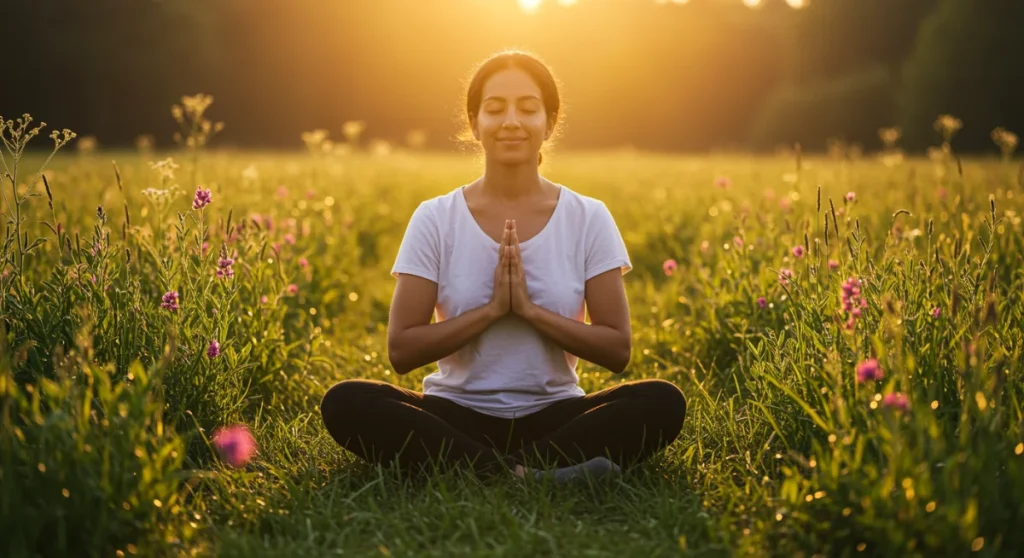
Cultivating daily gratitude is a powerful practice that can significantly enhance spiritual well-being, offering practical steps to foster a more positive and fulfilling life in just a few weeks.
In a world constantly pushing us towards more, faster, and bigger, the profound simplicity of
cultivating daily gratitude often gets overlooked. Yet, this practice holds the key
to unlocking a deeper sense of peace, resilience, and spiritual well-being. This article will guide you through a practical, 6-step plan designed to elevate your spiritual health by a measurable 15% in just four weeks.
Understanding the Power of Gratitude for Spiritual Well-being
Gratitude is more than just a fleeting feeling of thankfulness; it is a profound emotional state
that can fundamentally reshape our perception of life. When we consciously engage in gratitude,
we shift our focus from what is lacking to what is abundant, fostering a more positive and
optimistic outlook. This isn’t merely about superficial happiness; it’s about cultivating a
deeper connection to ourselves, others, and the world around us, which is essential for true
spiritual well-being.
The impact of gratitude extends far beyond momentary joy. Research consistently demonstrates
its benefits on mental health, reducing symptoms of depression and anxiety, and even improving
physical health outcomes. Spiritually, gratitude acts as a bridge, connecting us to a sense of
purpose, meaning, and interconnectedness. It encourages introspection and helps us recognize the
blessings, both big and small, that enrich our lives daily.
The Science Behind a Grateful Mindset
- Neurochemical Changes: Practicing gratitude can stimulate the release of dopamine and serotonin, neurotransmitters associated with happiness and well-being.
- Reduced Stress: A grateful perspective helps reframe challenges, reducing the physiological stress response.
- Improved Relationships: Expressing gratitude strengthens bonds and fosters empathy, enhancing social connections.
- Enhanced Resilience: A grateful mindset equips individuals with better coping mechanisms during adversity.
Ultimately, understanding the profound power of gratitude is the first step toward integrating
it into our daily lives. It’s not a passive emotion but an active choice, a conscious decision
to appreciate the good, even amidst challenges. This choice lays the groundwork for significant
spiritual growth and a more fulfilling existence.
Step 1: The Daily Gratitude Journal – Your Foundation for Awareness
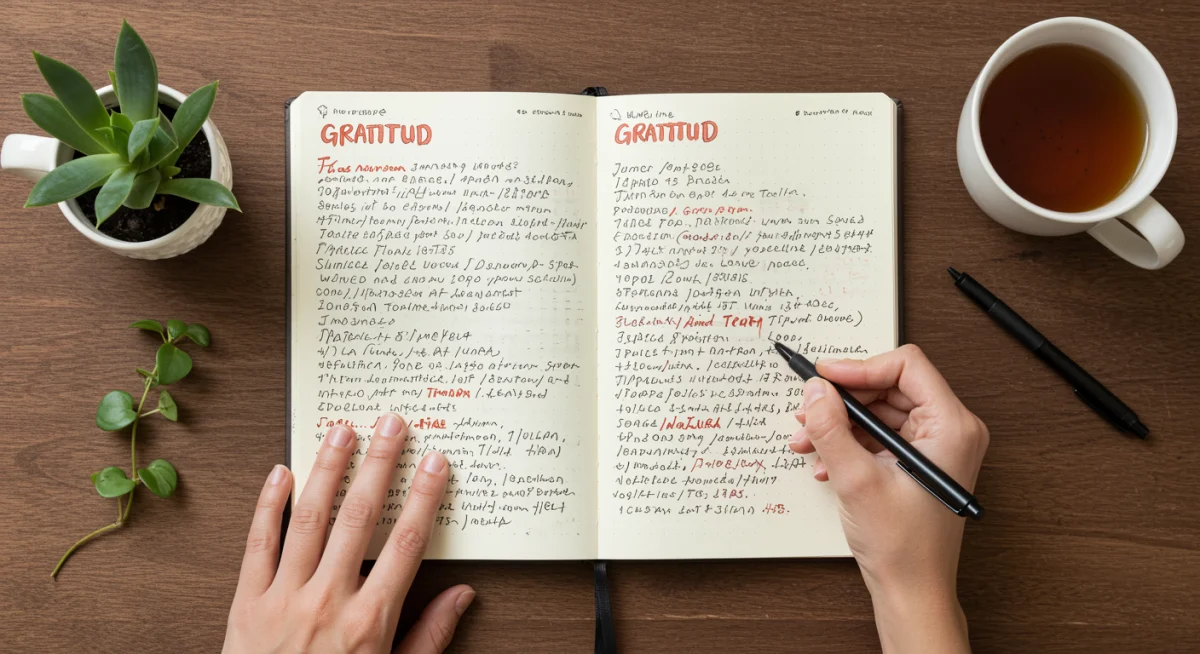
The inaugural step in cultivating daily gratitude is establishing a consistent practice of
journaling. A gratitude journal serves as a tangible record of the positive aspects of your life,
helping you to intentionally seek out and acknowledge blessings. This isn’t about grand gestures
or monumental events; it’s about recognizing the subtle, everyday moments that bring joy, comfort,
or insight.
Starting a gratitude journal is simple. All you need is a notebook and a pen. The key is consistency,
dedicating a few minutes each day to reflect and record. This practice trains your mind to
actively look for goodness, shifting your focus from scarcity to abundance.
How to Start Your Gratitude Journal
- Choose Your Time: Select a consistent time each day, such as first thing in the morning or before bed, to write.
- Be Specific: Instead of general statements like “I’m grateful for my family,” try “I’m grateful for my sister’s laughter during our phone call today.”
- Focus on Variety: Don’t just list the same things every day. Look for new reasons to be grateful, no matter how small.
The act of physically writing down your thoughts creates a deeper impression than simply thinking
them. It engages different parts of your brain, solidifying the positive emotions associated with
gratitude. Over time, your journal becomes a powerful testament to the many blessings in your life,
a resource to revisit during challenging times.
Step 2: Mindful Moments of Appreciation – Integrating Gratitude
Beyond the dedicated journaling practice, the second step involves weaving mindful moments of
appreciation throughout your day. This means consciously pausing to acknowledge and savor the
positive experiences as they happen. It’s about bringing a heightened sense of awareness to the
present moment and finding gratitude within it, rather than waiting for a specific time to reflect.
These moments can be fleeting but impactful. Perhaps it’s the warmth of your morning coffee, the
sound of birds singing outside your window, or a kind word from a colleague. By intentionally
noticing and appreciating these small occurrences, you begin to rewire your brain to perceive
more positivity in your environment.
Practicing Mindful Appreciation
- Sensory Engagement: Pay attention to the sights, sounds, smells, tastes, and textures of things you appreciate.
- Micro-Pauses: Take short breaks throughout your day to simply observe and appreciate something in your immediate surroundings.
- Acknowledge the Ordinary: Find gratitude in routine activities, like the comfort of your bed or the efficiency of your commute.
Integrating mindful appreciation into your daily routine doesn’t require extra time; it requires
a shift in perspective. It’s about being fully present and allowing yourself to experience the
joy and wonder that often go unnoticed in the rush of daily life. This continuous practice
reinforces the positive neural pathways associated with gratitude.
Step 3: Expressing Gratitude to Others – Strengthening Connections
The third crucial step in cultivating daily gratitude is actively expressing it to the people in
your life. Gratitude is a powerful emotion that thrives when shared, not only enhancing your own
spiritual well-being but also enriching the lives of those around you. Expressing thanks can take
many forms, from a simple verbal acknowledgment to a thoughtful gesture or a heartfelt letter.
This practice moves gratitude from an internal feeling to an external action, solidifying its
impact. When you genuinely thank someone, you not only make them feel valued but also reinforce
your own appreciation for their presence and contributions. This creates a positive feedback loop,
strengthening relationships and building a more supportive community.
Ways to Express Gratitude
- Verbal Thanks: Make it a point to sincerely thank people for their actions, no matter how small.
- Written Notes: Write thank-you letters or cards to express deeper appreciation.
- Acts of Service: Offer help or support to someone as a way of showing your gratitude for their past kindness.
- Thoughtful Gifts: A small, meaningful gift can convey appreciation without needing many words.
Expressing gratitude isn’t just about politeness; it’s about fostering genuine connection and
acknowledging the interconnectedness of our lives. This step is particularly potent for spiritual
well-being, as it expands our circle of compassion and reinforces our sense of belonging. It
reminds us that we are all part of a larger tapestry of human experience.
Step 4: The Gratitude Jar – A Visual Reminder of Blessings
To further cement your gratitude practice, the fourth step introduces the gratitude jar. This is
a simple yet effective tool for visually accumulating and reflecting on your blessings over time.
The concept is straightforward: find a jar or container, and each day, or whenever you feel moved,
write down one thing you are grateful for on a small slip of paper and place it in the jar.
The gratitude jar serves multiple purposes. It acts as a daily reminder to seek out positive
experiences, reinforcing the habit of appreciation. More powerfully, it provides a tangible,
growing collection of joyful moments that you can revisit, especially during times of struggle.
Seeing the jar fill up with notes of gratitude offers a powerful visual representation of the
abundance in your life.
Implementing Your Gratitude Jar
- Choose Your Jar: Select a jar that is visually appealing to you and place it in a prominent location.
- Keep it Handy: Have small slips of paper and a pen near the jar to make the practice effortless.
- Review Periodically: On special occasions or whenever you need a boost, empty the jar and read through your notes.
The gratitude jar is a testament to the cumulative power of small, consistent acts of appreciation.
It transforms abstract feelings into concrete evidence of a life well-lived and appreciated. This
visual anchor can be incredibly uplifting and a powerful tool for maintaining a positive spiritual
outlook.
Step 5: Gratitude Meditations and Affirmations – Deepening Inner Peace
Moving beyond external practices, the fifth step focuses on internalizing gratitude through
meditation and affirmations. While journaling and expressing gratitude are vital, cultivating
a deep sense of inner peace and spiritual well-being often requires a more profound engagement
with your internal landscape. Gratitude meditations guide you to a state of calm reflection,
allowing appreciation to permeate your entire being.
Gratitude affirmations, on the other hand, are positive statements that you repeat to yourself,
reinforcing a grateful mindset. These practices work by consciously shifting your internal dialogue
and emotional state, fostering a pervasive sense of thankfulness that resonates from within.
Incorporating Meditation and Affirmations
- Guided Meditations: Explore guided gratitude meditations available online or through apps to help you focus.
- Silent Reflection: Spend a few minutes each day in quiet contemplation, focusing on feelings of gratitude.
- Personalized Affirmations: Create affirmations that resonate with you, such as “I am thankful for the abundance in my life” or “Every day brings new reasons for gratitude.”
These internal practices are crucial for deepening your spiritual connection. They move gratitude
from a conscious effort to an ingrained way of being, allowing you to carry a sense of appreciation
with you throughout your day, regardless of external circumstances. This inner cultivation is a
cornerstone of lasting spiritual well-being.
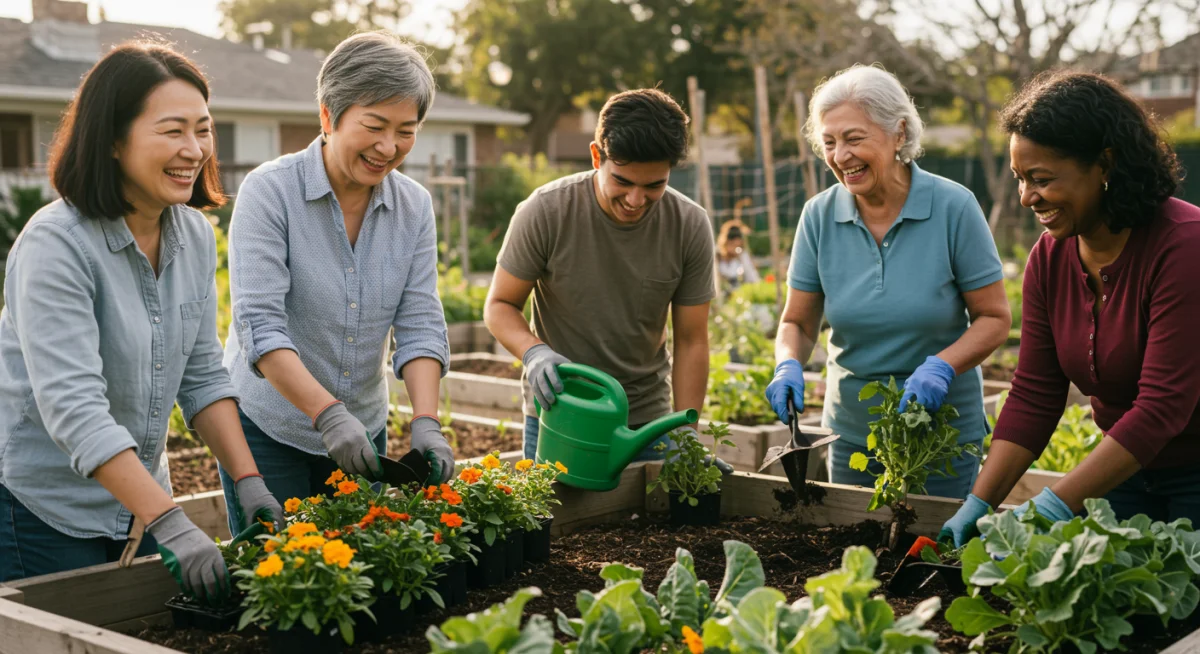
Step 6: Paying it Forward – Extending Gratitude Through Service
The final step in our 6-week plan is about extending your gratitude beyond yourself and your
immediate circle through acts of service. Paying it forward is the ultimate expression of a grateful
heart, transforming your appreciation into tangible positive impact on the world. When you give
back, you not only help others but also deepen your own sense of purpose and interconnectedness,
which is profoundly enriching for spiritual well-being.
Service doesn’t have to be grand or require a huge time commitment. It can be as simple as volunteering
a few hours, helping a neighbor, or contributing to a cause you believe in. The essence lies in
the intention to share your blessings and contribute positively to the collective good.
Opportunities for Paying it Forward
- Volunteer Locally: Dedicate time to a local charity, shelter, or community program.
- Offer Help: Look for opportunities to assist friends, family, or neighbors with tasks or support.
- Random Acts of Kindness: Perform small, unexpected acts of kindness for strangers, like paying for someone’s coffee.
Engaging in service reinforces the understanding that we are all part of a larger human family.
It fosters empathy, compassion, and a sense of shared responsibility, all of which are vital
components of a rich spiritual life. By paying it forward, you create a ripple effect of positivity,
making the world a better place while simultaneously elevating your own spirit.
| Key Practice | Brief Description |
|---|---|
| Gratitude Journal | Daily writing of specific things you are grateful for. |
| Mindful Appreciation | Consciously savoring positive moments as they occur. |
| Expressing to Others | Actively thanking individuals for their contributions. |
| Gratitude Jar | Collecting notes of gratitude for visual reinforcement and reflection. |
Frequently Asked Questions About Daily Gratitude
Many individuals report feeling a positive shift in their mood and outlook within the first week of consistent practice. Significant enhancements in spiritual well-being, like the 15% target, are often observed within 4-6 weeks of dedicated application of these steps.
It’s completely normal to have days when gratitude feels challenging. On those days, focus on the smallest things: the ability to breathe, a warm bed, or a cup of water. Consistency, even with minimal entries, is more important than profound feelings every day. The practice itself can shift your perspective.
While there’s no single “best” time, many find it beneficial to practice gratitude in the morning to set a positive tone for the day, or in the evening to reflect on the day’s blessings before sleep. The most effective time is simply the one you can consistently commit to.
Absolutely. Research indicates that a consistent gratitude practice can significantly reduce stress and anxiety levels. By shifting your focus to positive aspects, you can reframe challenges and develop greater emotional resilience, leading to a calmer and more centered state of mind.
Gratitude fosters a deeper connection to purpose, meaning, and interconnectedness. It encourages introspection, broadens perspective, and helps individuals recognize the inherent blessings in life. This leads to a greater sense of peace, contentment, and alignment with one’s core values, enhancing overall spiritual health.
Conclusion
Cultivating daily gratitude is not merely a trend; it’s a profound pathway to enduring spiritual well-being and a richer, more meaningful life. By embracing the six practical steps outlined – from journaling and mindful appreciation to expressing thanks, utilizing a gratitude jar, engaging in meditations, and paying it forward through service – you embark on a transformative journey. This comprehensive plan offers a structured approach to intentionally foster appreciation, leading to measurable enhancements in your spiritual health within a matter of weeks. The consistent practice of gratitude reshapes your perspective, strengthens your connections, and ultimately empowers you to live with greater joy, resilience, and purpose. Embrace this journey, and discover the boundless rewards of a grateful heart.