
Anúncios
Natural Remedies for Better Sleep: Magnesium, Herbal Teas, and Evening Rituals improve sleep onset and depth when used together: use low-dose magnesium glycinate (200–400 mg) at bedtime, drink chamomile or lemon balm 30–60 minutes before sleep, and follow a consistent wind‑down routine; consult your clinician if on medications.
Natural Remedies for Better Sleep: Magnesium, Herbal Teas, and Evening Rituals might be the change your evenings need. Ever wondered which tea actually helps or how much magnesium is useful? This guide offers simple, practical options and clear warnings so you can experiment without guessing.
Magnesium and sleep: benefits, doses, safety
Natural Remedies for Better Sleep: Magnesium, Herbal Teas, and Evening Rituals can be a simple step toward calmer nights. Magnesium plays a clear role in relaxing muscles and quieting the mind.
Below you’ll find practical facts on benefits, safe doses, and what to watch for before trying supplements.
Anúncios
How magnesium supports sleep
Magnesium helps regulate neurotransmitters that calm the brain, like GABA. It also relaxes muscles and may lower night-time cortisol. Many people feel less restless after adding magnesium in the evening.
Effects can appear in days to weeks, so give small changes time to show results.
Recommended doses and timing
Start low and adjust. Typical guidance for adults is to aim for an elemental dose between 200–400 mg at night, but needs vary. Speak with a provider if you take other meds or have health issues.
Anúncios
- Take 30–60 minutes before bed for best calming effect.
- Prefer a single evening dose rather than large daytime amounts for sleep aid.
- Split doses may help if you experience mild stomach upset or loose stools.
Always check supplement labels for the amount of elemental magnesium, not the salt weight.
Choosing the right magnesium form
Some forms work better for sleep and tolerance. Pick one that fits your needs and stomach sensitivity.
- Magnesium glycinate: gentle, linked to relaxation and good for sleep.
- Magnesium citrate: well absorbed but can be laxative at higher doses.
- Magnesium oxide: lower absorption, more likely to cause digestive effects.
- Magnesium taurate or malate: options for those exploring mood or energy benefits.
Try a form for a week or two and note changes in sleep quality and bowel habits.
Diet also matters. Foods rich in magnesium—such as spinach, pumpkin seeds, almonds, and beans—support steady levels and may reduce the need for high-dose supplements.
Safety, interactions, and who should avoid supplements
Magnesium is safe for many people but not all. The kidneys remove excess magnesium. If you have kidney disease, heart block, or take certain drugs, avoid unsupervised use.
- Avoid high-dose magnesium with some antibiotics, bisphosphonates, and certain blood pressure meds without medical advice.
- Common side effects include mild diarrhea or stomach cramps; these often improve by lowering dose or changing form.
- Pregnant or breastfeeding people should consult a provider before starting supplements.
If you take medications or have chronic conditions, ask your doctor for a recommended dose and form. Testing magnesium levels may help guide safe use.
In short, magnesium can ease sleep when used in a suitable form and dose. Start low, watch for side effects, and check with a clinician if you have health concerns or take other medicines.
Herbal teas that help: chamomile, valerian, lemon balm

Natural Remedies for Better Sleep: Magnesium, Herbal Teas, and Evening Rituals highlights simple drinks that ease tension and help you relax at night. Chamomile, valerian, and lemon balm are popular choices with different strengths.
Learn easy ways to brew, when to drink, and how to use these herbal teas safely for better sleep.
How each tea helps
Chamomile is gentle and often eases mild anxiety and restlessness. Valerian can be stronger; it may shorten the time it takes to fall asleep. Lemon balm soothes nerves and pairs well with both chamomile and valerian to balance effects.
Simple brewing and dosing
Use about one teaspoon of dried herb or one tea bag per cup. Steep times affect strength and tolerance.
- Chamomile: steep 5–10 minutes; drink 30–60 minutes before bed.
- Valerian: steep 10–15 minutes; start with a small amount (one cup) due to stronger effects.
- Lemon balm: steep 5–10 minutes; mixes well with chamomile for a milder tea.
Try one cup at night first to see how your body reacts. Adjust steep time or blend herbs if taste or effects are too strong.
Many people find mixing chamomile and lemon balm delivers calming effects without the heavier sedation of valerian. If you use valerian, avoid taking it with alcohol or sedatives.
Safety and interactions
Herbal teas are natural but not risk-free. They can interact with medications and amplify drowsiness. People taking sleep meds, blood thinners, or certain antidepressants should check with a clinician.
- Avoid large amounts during pregnancy or breastfeeding without medical advice.
- Stop use and consult a doctor if you feel excess grogginess, stomach upset, or allergic reactions.
- Do not mix strong sedatives with herbal sedatives; start with low doses and monitor effects.
Quality matters: choose loose herbs or trusted tea bags, and store them dry and cool. Fresh herbs often give a clearer flavor and milder effect.
Practical tips for best results
- Make tea part of an evening ritual: dim lights, read, or do gentle breathing after your cup.
- Avoid caffeine and heavy meals late at night to let the herbs work.
- Use a ceramic or glass teapot and cover the cup while steeping to keep oils and aromas.
Used thoughtfully, herbal teas can ease the transition to sleep. Start small, note how each herb affects you, and combine herbs or rituals to find what brings calmer nights.
Evening rituals that prepare your body for sleep
Natural Remedies for Better Sleep: Magnesium, Herbal Teas, and Evening Rituals focus on small, repeatable habits that cue the body to rest. A calm routine can cut the time it takes to fall asleep and improve sleep depth.
Evening rituals shape both mind and body. Simple, consistent steps matter more than perfect routines.
Set a gentle wind-down schedule
Choose the same bedtime window each night and start your ritual 30–60 minutes before bed. Predictable timing trains your internal clock.
- Dim lights and lower noise to signal rest.
- Turn off bright screens or use blue-light filters.
- Do one calm activity—read, light stretching, or breathe slowly.
Small changes are easier to keep. Try a short ritual for two weeks and track sleep changes.
Design a sleep-friendly space
Keep your bedroom cool, dark, and quiet. Remove or silence devices that tempt you to check them.
Choose bedding that feels comfortable and remove clutter. A tidy space reduces mental noise and helps you relax faster.
Soothing activities that prepare the body
Pick activities that lower arousal and steady breathing. These help your nervous system shift toward rest.
- Warm bath or shower 60 minutes before bed to drop core temperature afterward.
- Gentle yoga poses or progressive muscle relaxation for 5–10 minutes.
- Mindful breathing or a short guided meditation to slow the heart rate.
Keep sessions short and predictable so they become a habit, not another task.
Pair rituals with gentle aids
Combine a cup of herbal tea or a low dose of magnesium with your ritual if desired. Time them so effects match your sleep window.
A cup of chamomile 30–45 minutes before bed or magnesium glycinate at bedtime can enhance relaxation. Start with low doses and note how you feel the next morning.
Be cautious with alcohol or heavy meals late at night, as they can disrupt sleep despite a good ritual.
Keep routines flexible: tweak activities, timing, or aids until they fit your life. Consistency and comfort are the keys to lasting benefit.
Combining remedies safely and when to consult a doctor
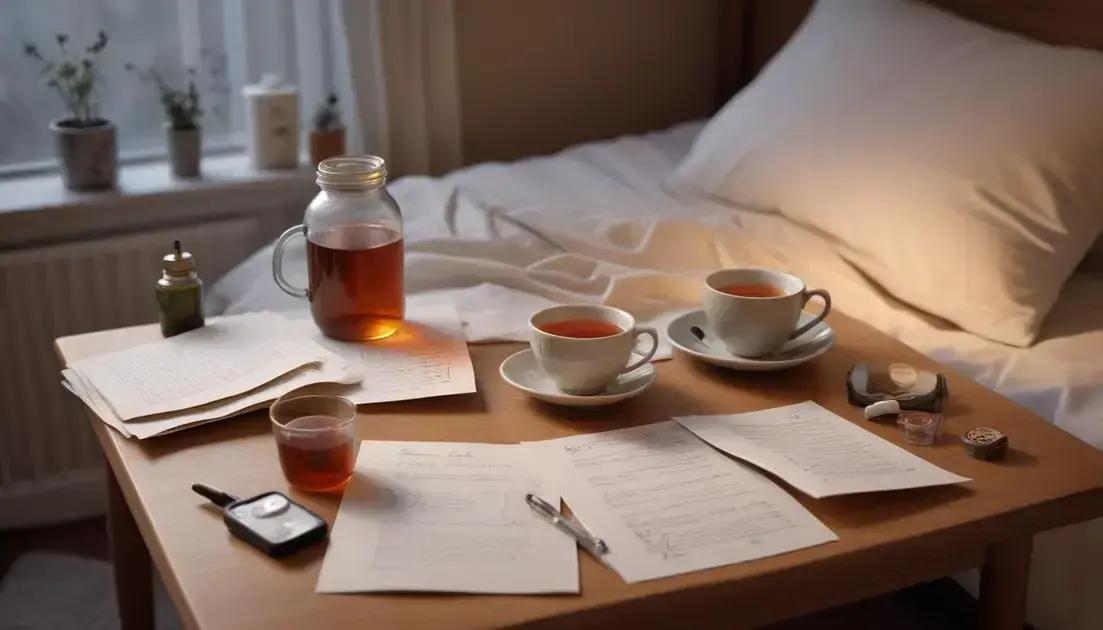
Natural Remedies for Better Sleep: Magnesium, Herbal Teas, and Evening Rituals can complement each other, but combining them needs simple rules. Use small steps and watch how your body reacts.
Below are clear tips on safe pairings, warning signs, and when to contact a healthcare professional.
Principles for combining remedies
Start with one change at a time. Add another only after you notice the first effect. Keep doses low and steady, and track sleep and side effects in a small notebook.
- Introduce one remedy every 5–14 days to spot its effect.
- Prefer low evening doses of magnesium and one cup of herbal tea to test tolerance.
- Match timing so effects align with your bedtime, not long before or after.
These rules help you learn what truly helps without guessing.
Common interactions and red flags
Natural does not mean risk-free. Some combinations raise drowsiness, cause stomach upset, or interact with meds. Look for clear warning signs.
- Excessive next-day grogginess or confusion.
- Persistent diarrhea or stomach cramps after supplements.
- Unusual heartbeats, dizziness, or fainting.
- New symptoms after mixing herbs with prescription drugs.
If you notice these signs, stop the new remedy and note the timing and dose to share with your clinician.
Certain drugs commonly interact with supplements. For example, blood thinners, sedatives, some antibiotics, and heart or blood pressure medicines may change how herbs or magnesium act. Always check with a pharmacist or doctor if you take regular prescriptions.
When to consult a doctor
Talk to a clinician before combining remedies if you have chronic conditions, take daily medicines, are pregnant, or have kidney or heart problems.
- Chronic insomnia lasting weeks to months warrants medical review.
- If you take blood pressure meds, anticoagulants, or sedatives, ask about interactions.
- Kidney disease or abnormal lab results require professional dosing advice.
- Pregnant or breastfeeding people should get tailored guidance.
Your provider may suggest a blood test, adjust doses, or recommend safer alternatives based on your history.
In short, combine natural remedies thoughtfully: go slow, record effects, and consult a professional when in doubt. That approach keeps sleep aids helpful and safe.
Natural Remedies for Better Sleep: Magnesium, Herbal Teas, and Evening Rituals can ease the path to rest when used thoughtfully. Start small, stay consistent, note any side effects, and consult a clinician if you take medicines or have health issues.
FAQ – Natural remedies for better sleep
How much magnesium should I take to improve sleep?
Most adults try about 200–400 mg of elemental magnesium at night, starting low and adjusting. Check the supplement label for elemental amount and consult a clinician if you take medicines or have kidney issues.
Which herbal tea is best for helping me fall asleep?
Chamomile is mild and soothing, valerian is stronger and more sedating, and lemon balm is calming and mixes well with chamomile. Start with one cup 30–60 minutes before bed and watch how you feel.
Is it safe to combine magnesium, herbal teas, and an evening ritual?
Yes, when done slowly: add one change at a time, use low doses, and track effects. Avoid mixing with alcohol or prescription sedatives and check interactions with your doctor or pharmacist.
When should I consult a healthcare professional about these remedies?
See a clinician if you have persistent insomnia, take regular medications, are pregnant or breastfeeding, or have kidney or heart conditions, or if you notice severe side effects.