Anúncios
Seasonal Wellness Tips for Summer: Hydration, Sun Protection, and Healthy Routines prioritize regular water intake, broad‑spectrum SPF and UPF clothing, cool sleep and timed activity, and tailored hydration and protection for kids, older adults and outdoor workers to prevent heat illness and sustain energy.
Seasonal Wellness Tips for Summer: Hydration, Sun Protection, and Healthy Routines can change how you feel in the heat. Want fast, practical swaps—better drinks, smarter sun care and small routine shifts—that make hot days easier without upending your schedule?
Hydration strategies: how much and what to drink
Seasonal Wellness Tips for Summer: Hydration, Sun Protection, and Healthy Routines start with small, steady habits that fit your day. Sip often, watch your urine color, and use simple rules rather than strict numbers.
These tips explain how much to drink and which drinks help you stay safe and energetic in the heat.
Anúncios
Daily water needs made simple
For many adults, a baseline of about 2 liters (roughly 8 cups) a day is a good start. Body size, climate and activity raise that amount. Use this baseline as a practical guide, not a strict law.
Adjusting for heat and activity
When the temperature rises or you move more, add fluids before, during and after activity. Thirst is useful, but not perfect—check pale yellow urine as a quick sign of good hydration.
- Cool or low activity days: add 250–500 ml above baseline.
- Moderate exercise (30–60 minutes): sip 150–300 ml every 15–20 minutes.
- Long or intense workouts: replace 500–1000 ml per hour and consider electrolytes if you sweat heavily.
Water is the best first choice. It hydrates without extra calories or sugar. Flavor low-sugar drinks with fruit slices or mint if plain water is boring. Cold water cools you faster in hot weather.
Anúncios
Coconut water and low-sugar sports drinks can help during long exercise or heavy sweating because they replace electrolytes. Use them sparingly on casual days to avoid excess sugar and calories.
Avoid alcohol and very sugary sodas in the heat. Alcohol can speed dehydration. Drinks with high sugar can make thirst worse and add empty calories.
Small, practical habits make a big difference: carry a reusable bottle, set phone reminders to sip, eat water-rich foods like watermelon and cucumbers, and drink a glass when you wake and before bed.
Children and older adults need special care. Offer fluids often, watch for faintness or dark urine, and use milder electrolyte solutions for active kids. For older adults, set routine drink times and check in regularly.
Use simple checks: thirst level, urine color, and how you feel during activity. If you feel dizzy, weak or very thirsty after effort, rehydrate with water and electrolytes and rest in shade.
Summary: aim for a daily baseline of water, add fluids for heat or activity, favor water and low-sugar electrolyte options when needed, and adopt small habits like carrying a bottle. These steps keep hydration easy and effective.
Sun protection that actually works: sunscreen, clothing and timing

Seasonal Wellness Tips for Summer: Hydration, Sun Protection, and Healthy Routines mean using simple, layered steps to cut sun risk. Small habits keep you safe without slowing your day.
Below are clear tips on sunscreen, clothing and timing that work in real life.
Sunscreen: choose and apply correctly
Pick a broad-spectrum sunscreen with at least SPF 30. Broad-spectrum protects against both UVA and UVB rays. For swimming or heavy sweat, use a water-resistant formula.
Apply sunscreen about 15 minutes before sun exposure. Use enough: about a shot-glass amount for the body and a nickel-size drop for the face. Don’t miss ears, neck, hands and the backs of knees.
Reapply every two hours, or right after swimming or toweling off. Sunscreen is one part of protection, not the whole plan.
Protective clothing and smart gear
Clothing can block rays better than sunscreen alone. Tight-weave fabrics and garments labeled UPF add strong defense while staying light.
- Wide-brim hats shade the face, ears and neck.
- Long sleeves and pants in breathable fabrics reduce direct sun on skin.
- Sunglasses with UV protection protect eyes and the delicate skin around them.
- Carry a lightweight cover-up or portable umbrella for quick shade.
Choose light colors that reflect heat if you need cooling, but know darker, tightly woven fabrics often block UV better. Seek items that balance sun protection and comfort.
Timing matters: avoid long exposure during peak UV hours, usually between 10 a.m. and 4 p.m. If you must be outside then, plan regular breaks in shade and set alarms to reapply sunscreen.
Check the UV index before you go out. A UV index of 3 or higher calls for stronger measures: sunscreen, hat, sunglasses and frequent shade breaks.
Keep extra protection handy: sunscreen in a travel-size bottle, a hat in your bag, and a light cover-up. These small steps make it easier to protect yourself when plans change.
Use this layered approach—sunscreen, protective clothing and good timing—to lower burn risk and enjoy more of your summer safely.
Healthy routines to stay energized: sleep, movement and cooling
Seasonal Wellness Tips for Summer: Hydration, Sun Protection, and Healthy Routines help you hold steady energy on hot days. Small habits around sleep, movement and cooling make a big difference.
Use easy, repeatable steps to sleep better, move smart, and cool down without losing momentum.
Better sleep in the heat
Keep your bedroom cool and dark to support deep rest. Aim for a regular bedtime and wake time, even on weekends.
Choose breathable sheets and a light blanket. Turn off bright screens 30–60 minutes before bed to help your body wind down.
Smart movement that lifts energy
Exercise can energize you if timed well. Short, steady activity avoids overheating and boosts mood.
- Move in the cooler parts of the day—early morning or evening walks.
- Try brief bodyweight sets or 10-minute routines to increase circulation.
- Do gentle stretches during breaks to reduce fatigue and improve focus.
- Balance intensity with cooling breaks and fluid intake.
Keep activity varied. Mix walking, light strength work and stretches to stay engaged without overdoing it. If you feel dizzy or overly tired, slow down and rest in shade.
Cooling habits between rest and movement help energy return faster. Use a cool shower, damp towel on the neck, or a fan set to circulate air. Eating lighter meals with fruit and salad reduces sluggishness after eating.
Hydration ties this all together: sip water through the day, and have a small glass before and after activity to maintain steady energy.
Make simple routines: a cool pre-bed ritual, short daily movement, and a few go-to cooling tricks. These steps keep energy levels steadier and make summer days easier to enjoy.
Tailored tips for kids, older adults and outdoor workers
Seasonal Wellness Tips for Summer: Hydration, Sun Protection, and Healthy Routines change when you care for different people. Kids, older adults and outdoor workers need small, clear adjustments to stay safe in heat.
This section gives quick, practical steps for each group so you can act fast and keep everyone comfortable.
Practical tips for kids
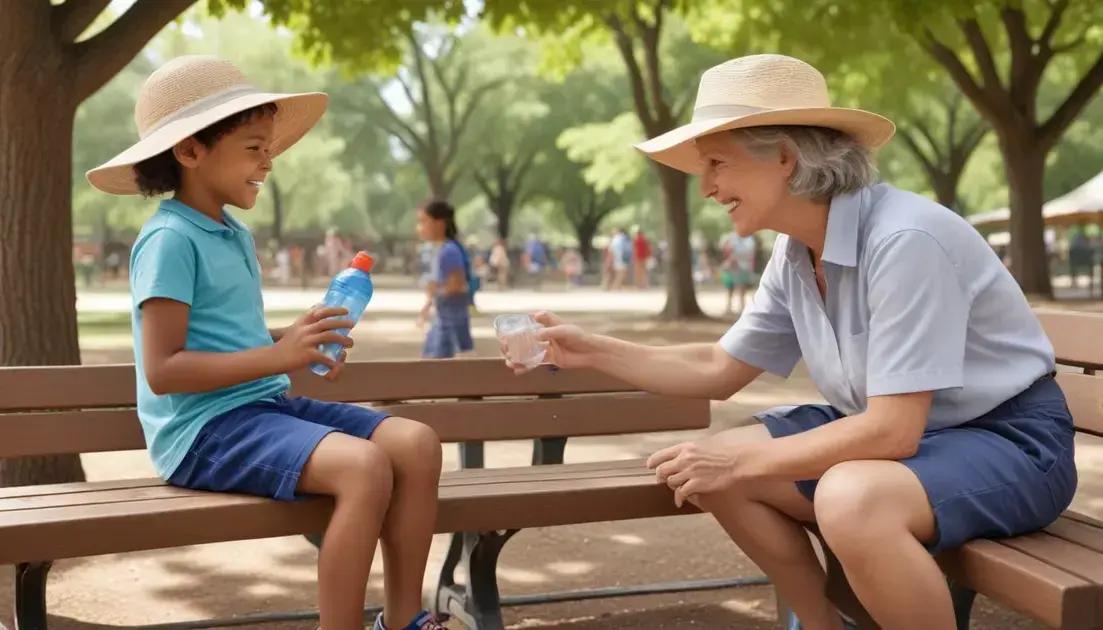
Children lose heat fast and may not ask for water. Offer fluids often and make sipping easy and fun.
- Offer small drinks every 20–30 minutes; use a fun reusable bottle to encourage sips.
- Favor water or diluted electrolyte drinks for long play sessions, not sugary sodas.
- Dress kids in lightweight, light-colored clothes and a wide-brim hat with UPF.
- Plan outdoor play for early morning or late afternoon and include shaded breaks.
Supervision matters: watch for signs of overheating—lethargy, dizziness or very dark urine—and move the child to shade, cool them with damp cloths, and give fluids right away.
Care strategies for older adults
Older adults often feel less thirsty and may have medicines that affect hydration. Create routines and check-ins to prevent heat stress.
Keep a glass of water visible and set simple reminders to drink. Encourage light, frequent meals with water-rich foods like melon and salads.
- Review medications with a healthcare provider for heat-related effects.
- Maintain a cool indoor space with fans or air conditioning, and offer cool showers if needed.
- Use mild electrolyte solutions for long activity or poor appetite to keep balance.
- Arrange regular check-ins, especially during heat waves or if living alone.
Watch for confusion, fainting, or very low urine output—these signs call for prompt cool-down and medical attention if they persist.
Safety measures for outdoor workers
People working outside face long heat exposure. Employers and workers can reduce risk with planning and simple gear.
- Schedule heavy tasks for cooler hours and build in regular shaded rest breaks.
- Provide easy access to cool water and electrolyte drinks; encourage drinking before thirst hits.
- Use breathable, high-visibility clothing with UPF and allow cooling gear like neck wraps or portable fans.
- Implement a buddy system and train to spot heat illness early.
Promote short, frequent cooling breaks and rotate job duties when possible. Teach workers to check urine color and note feelings of weakness or rapid heartbeat.
These tailored steps—frequent small drinks for kids, set routines and checks for older adults, and planned breaks plus gear for outdoor workers—help reduce heat risk and keep everyone functioning well in summer.
Seasonal Wellness Tips for Summer: Hydration, Sun Protection, and Healthy Routines boil down to small, regular actions: drink water, protect skin, rest well, and adjust for who you care for. These habits cut heat risk and keep your energy steady. Start with one simple change today and build from there.
FAQ – Seasonal Wellness Tips for Summer: Hydration, Sun Protection, and Healthy Routines
How much water should I drink each day in summer?
Aim for a baseline of about 2 liters (8 cups) daily and increase with heat or activity. Check urine color (pale yellow) and sip regularly rather than large amounts at once.
How often should I apply sunscreen for reliable protection?
Use a broad‑spectrum SPF 30+ sunscreen applied 15 minutes before sun exposure. Reapply every 2 hours or immediately after swimming, sweating, or toweling off.
What are common signs of heat exhaustion or heat stroke and what should I do?
Heat exhaustion: heavy sweating, weakness, dizziness, nausea. Heat stroke: very high body temperature, confusion, fainting. Move to shade, cool the person, offer fluids for exhaustion, and seek emergency care for heat stroke.
When should I choose electrolyte drinks over plain water?
Use electrolyte drinks or coconut water during long, intense exercise or heavy sweating to replace salts. For everyday hydration, plain water is best—watch for added sugars in commercial sports drinks.