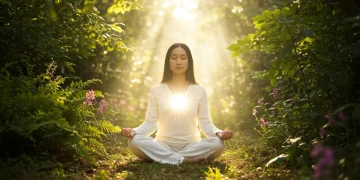
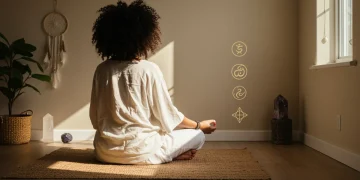
Beyond Meditation: 7 Spiritual Wellness Strategies for Americans
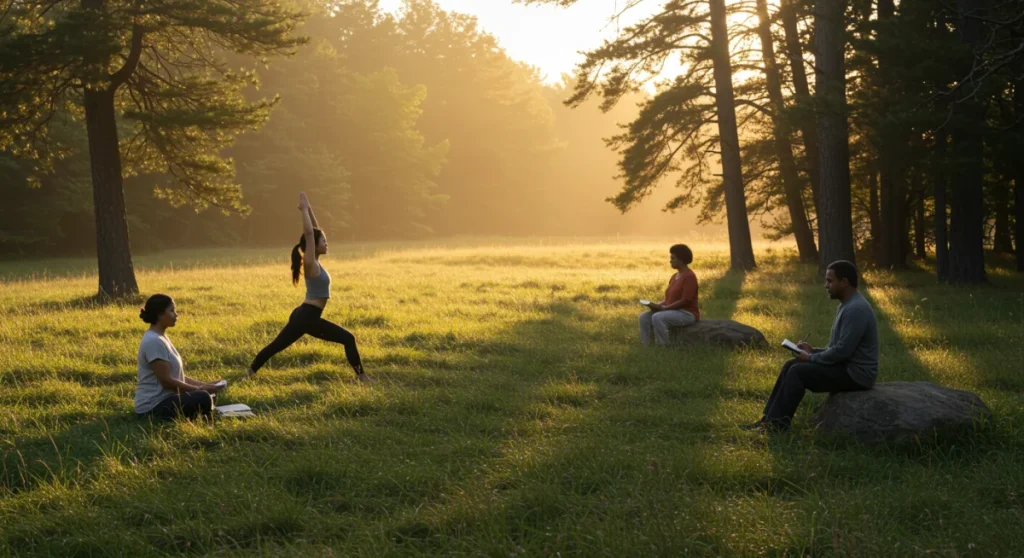
Discovering profound inner connection and holistic well-being in 2026 requires embracing diverse spiritual wellness strategies that extend beyond conventional meditation practices for a truly enriched life.
In an increasingly complex world, many Americans are seeking more profound ways to nurture their souls and find deeper meaning. While meditation remains a powerful tool, the quest for spiritual wellness in 2026 extends far beyond traditional seated practices. This article delves into
7 actionable spiritual wellness strategies that offer diverse pathways to inner peace, connection, and holistic well-being.
Embracing Mindful Movement and Embodied Spirituality
Spiritual well-being isn’t solely confined to the mind; it’s deeply intertwined with our physical existence. Mindful movement practices offer a powerful avenue to connect with our bodies and the present moment, fostering a sense of groundedness and spiritual presence. This approach encourages us to view our bodies not just as vessels, but as integral parts of our spiritual journey.
By intentionally moving and listening to our bodies, we can release tension, cultivate self-awareness, and experience a deeper connection to our inner selves. It’s about bringing conscious attention to each breath and every motion, transforming physical activity into a sacred practice.
Yoga and Tai Chi for Inner Harmony
Ancient practices like yoga and Tai Chi are more than just exercises; they are moving meditations that integrate breath, movement, and mindfulness. They can significantly enhance spiritual wellness by promoting flexibility, balance, and mental clarity.
- Yoga: Focuses on postures, breathing techniques, and meditation to unite mind, body, and spirit.
- Tai Chi: Characterized by slow, flowing movements, it cultivates internal energy (qi) and promotes relaxation and concentration.
- Qigong: A system of coordinated body posture and movement, breathing, and meditation used for health, spirituality, and martial arts training.
These practices encourage a non-judgmental awareness of bodily sensations and thoughts, allowing individuals to observe their inner landscape without attachment. This cultivates a sense of peace and helps in managing stress, making them excellent spiritual wellness strategies.
Cultivating Connection Through Nature Immersion
The natural world offers a profound source of spiritual nourishment and connection. Spending time outdoors, away from the distractions of modern life, can re-calibrate our senses and bring us closer to a sense of universal interconnectedness. This strategy emphasizes the healing power of the environment.
For many Americans, reconnecting with nature provides a much-needed respite and a deeper understanding of their place within the larger ecosystem. It’s an opportunity to observe the cycles of life, experience awe, and find solace in the vastness of the natural world.
Forest Bathing and Grounding Practices
Shinrin-yoku, or ‘forest bathing,’ is a Japanese practice of simply being present in a forest environment. It involves mindfully engaging all five senses to absorb the atmosphere of the woods, leading to significant physiological and psychological benefits.
- Forest Bathing: Slow, contemplative walks in nature, focusing on sensory experiences rather than destination.
- Earthing/Grounding: Directly connecting with the Earth’s electrical energy by walking barefoot on grass, sand, or soil.
- Mindful Observation: Sitting quietly and observing flora, fauna, and natural phenomena without judgment.
These practices help reduce stress, improve mood, and foster a sense of belonging and peace. By consciously engaging with nature, individuals can tap into an ancient wellspring of spiritual wisdom and renewal, making them vital spiritual wellness strategies for 2026.
Engaging in Creative Expression as Spiritual Practice
Creativity is an inherent human quality and a powerful channel for spiritual expression. Engaging in artistic endeavors allows us to tap into our intuition, unleash our imagination, and communicate aspects of our inner world that words often fail to convey. This form of spiritual exploration is deeply personal and highly therapeutic.
Whether it’s painting, writing, music, or crafting, the act of creation can be a meditative process, fostering flow states where time seems to disappear. It’s a way to connect with the divine spark within and bring something new into existence, reflecting our unique spirit.
Art, Music, and Journaling for Self-Discovery
Different forms of creative expression offer unique benefits for spiritual wellness. They provide an outlet for emotions, a means for introspection, and a path to deeper self-understanding.
- Expressive Arts: Painting, sculpting, or drawing without a specific outcome in mind, focusing on the process.
- Musical Exploration: Playing an instrument, singing, or even actively listening to music that resonates deeply.
- Journaling: Free-writing thoughts, feelings, and reflections to gain clarity and insight into one’s spiritual journey.
These creative outlets allow individuals to process experiences, explore their beliefs, and cultivate a sense of purpose. They are powerful spiritual wellness strategies that encourage authenticity and provide a tangible connection to one’s inner wisdom. The act of creation itself can be a profound spiritual experience.
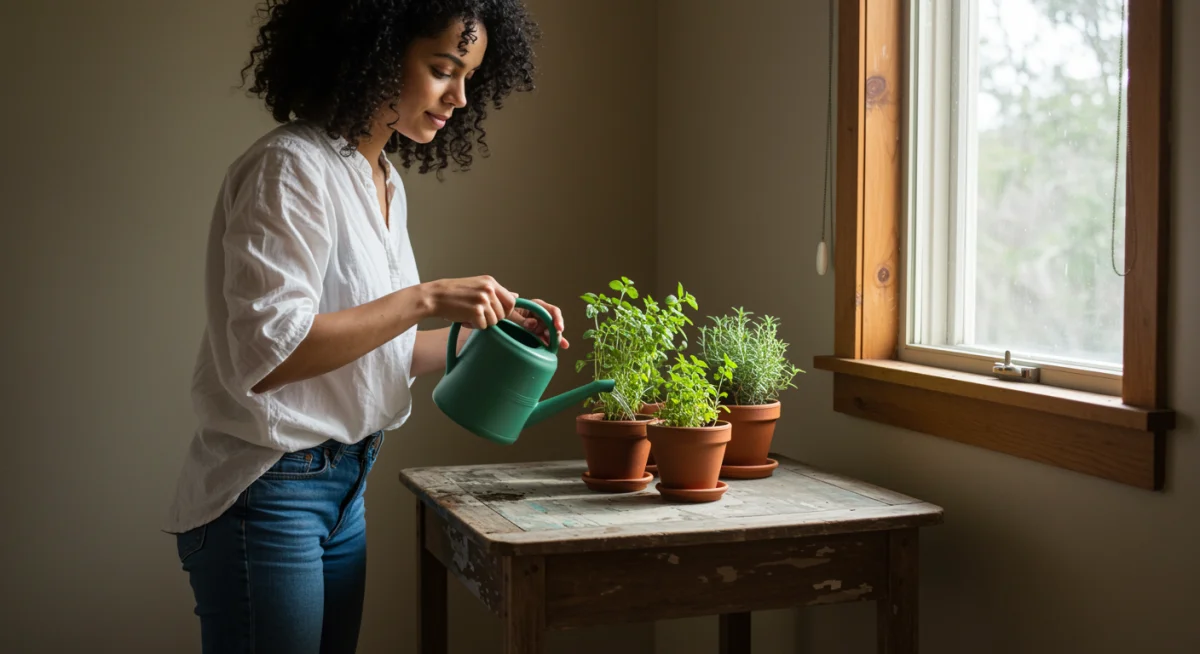
Practicing Conscious Consumption and Ethical Living
Spiritual wellness extends beyond personal practices to how we interact with the world around us. Conscious consumption and ethical living are about aligning our actions with our values, recognizing our interconnectedness with all beings and the planet. This approach promotes a sense of responsibility and global stewardship.
By making intentional choices about what we buy, eat, and support, we contribute to a more just and sustainable world. This practice can foster a deep sense of purpose and integrity, knowing that our daily decisions reflect our spiritual convictions.
Mindful Eating and Sustainable Choices
Two key areas for conscious consumption are our food choices and overall lifestyle habits. These reflect our respect for ourselves, other living beings, and the Earth.
- Mindful Eating: Paying full attention to the food we consume, appreciating its source, and noticing its effects on our body and mind.
- Sustainable Living: Reducing waste, conserving resources, and supporting ethical businesses that prioritize environmental and social well-being.
- Ethical Sourcing: Choosing products and services that are produced fairly, without exploitation of labor or harm to the environment.
Embracing conscious consumption and ethical living transforms mundane activities into opportunities for spiritual alignment. It cultivates compassion, gratitude, and a deeper understanding of our role in the global community, making these essential spiritual wellness strategies for a harmonious future.
Engaging in Meaningful Service and Community Building
True spiritual growth often blossoms in connection with others. Engaging in meaningful service and actively building community fosters a sense of belonging, purpose, and altruism. This strategy emphasizes the outward expression of our spiritual values, contributing to something larger than ourselves.
When we give our time and energy to help others, we not only uplift them but also experience a profound sense of fulfillment. It’s through acts of kindness and collective effort that we can truly embody the principles of love, compassion, and interconnectedness.
Volunteering and Supportive Networks
There are numerous ways to engage in service and build stronger communities, each offering unique benefits for spiritual wellness.
- Volunteering: Dedicating time to causes that resonate with your values, whether local or global.
- Community Gardens: Participating in shared spaces that foster connection with nature and neighbors.
- Support Groups: Joining or forming groups that offer mutual support, understanding, and shared spiritual exploration.
These activities break down feelings of isolation and foster a sense of shared humanity. By actively participating in community life and offering service, individuals can experience the joy of collective purpose and strengthen their spiritual foundations, making these powerful spiritual wellness strategies.
Practicing Digital Detox and Mindful Technology Use
In our hyper-connected world, constant digital input can be a significant barrier to spiritual wellness. Practicing digital detox and cultivating mindful technology use are crucial for creating space for introspection, quiet reflection, and genuine connection. This strategy helps reclaim our attention and mental clarity.
By intentionally stepping away from screens and setting boundaries with technology, we can reduce mental clutter, decrease anxiety, and open ourselves to more meaningful experiences. It’s about using technology as a tool, rather than allowing it to control our lives.
Setting Boundaries and Unplugging
Implementing digital detox doesn’t mean abandoning technology entirely, but rather using it with intention and awareness. Here are practical steps to achieve this balance:
- Scheduled Breaks: Designating specific times each day or week to completely unplug from all devices.
- Notification Management: Turning off non-essential notifications to reduce constant interruptions and distractions.
- Mindful Consumption: Being intentional about the content consumed online, choosing uplifting and informative sources.
These practices allow individuals to reconnect with themselves, their surroundings, and their loved ones without digital interference. By fostering a healthier relationship with technology, we create more space for spiritual reflection and inner peace, making them essential spiritual wellness strategies for the modern age.
Engaging in Reflective Practices and Inner Work
Beyond external actions, spiritual wellness deeply involves internal exploration and self-understanding. Reflective practices and inner work are about consciously examining our beliefs, values, and motivations, leading to profound personal growth and clarity. This strategy encourages a continuous journey of self-discovery.
Through introspection, we can identify patterns, heal past wounds, and align our inner selves with our highest aspirations. It’s a commitment to ongoing learning and evolving, fostering resilience and a deeper connection to our authentic selves.
Journaling, Self-Inquiry, and Shadow Work
Various reflective techniques can facilitate deeper inner work and spiritual insight.
- Guided Journaling: Using prompts to explore specific aspects of one’s life, emotions, or spiritual beliefs.
- Self-Inquiry: Asking fundamental questions about one’s purpose, identity, and values to gain clarity.
- Shadow Work: Consciously exploring and integrating repressed or disowned aspects of the self for wholeness.
These practices cultivate self-awareness, emotional intelligence, and spiritual maturity. By consistently engaging in reflective inner work, individuals can navigate life’s challenges with greater wisdom and peace, making these fundamental spiritual wellness strategies for lasting transformation.
| Strategy | Brief Description |
|---|---|
| Mindful Movement | Connects body and spirit through practices like yoga and Tai Chi for inner harmony. |
| Nature Immersion | Cultivates connection with the natural world through forest bathing and grounding. |
| Creative Expression | Utilizes art, music, and journaling for self-discovery and spiritual release. |
| Digital Detox | Mindful technology use to reclaim attention and foster inner peace. |
Frequently Asked Questions About Spiritual Wellness
Spiritual wellness extends beyond meditation to include practices like mindful movement, nature immersion, creative expression, ethical living, community service, digital detox, and reflective inner work. It encompasses any activity that fosters a deeper connection to oneself, others, and a sense of purpose or higher meaning, enriching various aspects of life.
Begin by choosing one or two strategies that resonate most with you. Start small, perhaps with 10-15 minutes of mindful movement daily or a weekly nature walk. Gradually incorporate more practices as they feel natural and beneficial. Consistency is key, even with brief engagements, to build sustainable habits.
Yes, these strategies are designed to be inclusive and adaptable to various belief systems and lifestyles. They focus on universal human needs for connection, purpose, and well-being, rather than adherence to a specific dogma. Individuals can tailor each practice to align with their personal values and comfort levels.
Conscious consumption fosters a sense of integrity, purpose, and interconnectedness. By aligning your purchasing and lifestyle choices with ethical values, you contribute to a more just and sustainable world. This practice reduces inner conflict, cultivates gratitude, and deepens your connection to global well-being, enhancing spiritual peace.
Digital detox helps reclaim attention, reduce mental clutter, and create space for introspection. By unplugging, you lessen external distractions, decrease anxiety, and foster a deeper connection to your inner self and immediate surroundings. This clarity allows for more profound spiritual reflection and a greater sense of presence in your life.
Conclusion
The pursuit of spiritual wellness in 2026 is a dynamic and multifaceted journey, extending well beyond the confines of traditional meditation. By embracing these 7 actionable strategies – from mindful movement and nature immersion to creative expression, conscious consumption, community engagement, digital detox, and reflective inner work – Americans can cultivate deeper connections, foster holistic well-being, and discover profound inner peace. Each path offers a unique opportunity to nourish the soul and live a more purpose-driven and harmonious life, demonstrating that spiritual growth is an ongoing, integrated process.