Mastering summer hydration is crucial for optimal wellness during 2026’s hottest months, effectively preventing a significant percentage of common heat-related issues through practical, science-backed strategies.
As the temperatures rise and the sun shines brighter, staying adequately hydrated becomes more than just a recommendation; it’s a critical component of overall health. The importance of summer hydration hacks cannot be overstated, especially during 2026’s anticipated hottest months, as proper fluid intake is fundamental to preventing heat-related illnesses and maintaining peak physical and mental performance.
understanding summer dehydration risks
Dehydration during summer is a pervasive and often underestimated threat to public health. The combination of elevated temperatures, increased physical activity, and sometimes a lack of awareness regarding fluid intake can lead to a rapid depletion of the body’s water reserves. This is not merely about feeling thirsty; it encompasses a spectrum of physiological responses that can range from mild discomfort to severe, life-threatening conditions.
The human body is approximately 60% water, and this fluid plays a vital role in virtually every bodily function. It regulates body temperature through sweating, lubricates joints, transports nutrients, and aids in the removal of waste products. When fluid losses exceed intake, the body’s systems begin to struggle, leading to a cascade of negative effects. Understanding these risks is the first step toward effective prevention and maintaining optimal wellness.
the silent threat of fluid loss
Many people fail to recognize the early signs of dehydration, often mistaking them for general fatigue or hunger. This delayed recognition allows dehydration to progress, increasing the risk of more serious health complications. Factors such as age, certain medical conditions, and even specific medications can further amplify an individual’s susceptibility to dehydration.
- Heat exhaustion: Characterized by heavy sweating, weakness, cold and clammy skin, a fast and weak pulse, nausea, and fainting.
- Heatstroke: A severe medical emergency where the body’s temperature regulation system fails, leading to a core body temperature above 104°F (40°C), hot and dry or moist skin, a rapid and strong pulse, and potential unconsciousness.
- Electrolyte imbalance: Excessive sweating can lead to a loss of essential electrolytes like sodium and potassium, disrupting nerve and muscle function.
Children and the elderly are particularly vulnerable to dehydration. Children often do not recognize thirst as readily as adults and may be less proactive in seeking fluids, especially when engrossed in play. Older adults may have a diminished sense of thirst, take medications that increase fluid loss, or have mobility issues that make accessing fluids difficult. Recognizing these specific vulnerabilities is crucial for targeted preventative measures.
hack 1: strategic water intake
While the advice to ‘drink more water’ is ubiquitous, truly strategic water intake goes beyond simply carrying a bottle. It involves a conscious plan to ensure consistent and adequate hydration throughout the day, tailored to individual needs and environmental conditions. This proactive approach is a cornerstone of effective summer hydration, moving beyond reactive sips when thirst strikes.
The body’s demand for water fluctuates significantly based on activity level, metabolism, and external temperature. During summer, when sweating increases, the baseline requirement for fluid intake also rises. A strategic plan considers these variables, aiming to preempt dehydration rather than merely responding to it. This involves setting reminders, utilizing technology, and making hydration a seamless part of daily routines.
monitoring and timing your sips
One of the most effective ways to implement strategic water intake is by breaking down your daily fluid goals into manageable segments. Instead of aiming for a large amount at once, consistent smaller intakes are often more beneficial for absorption and maintaining steady hydration levels. This prevents the body from being overwhelmed and ensures a continuous supply of essential fluids.
- Set reminders: Use phone alarms or smartwatches to prompt you to drink water every hour or two.
- Pre-hydrate: Drink water before engaging in physical activity or spending extended time outdoors.
- Post-hydrate: Replenish fluids immediately after sweating or physical exertion.
Consider the ‘water first, then coffee’ rule. Starting your day with a substantial glass of water before any other beverage can kickstart your hydration efforts. Throughout the day, try to drink water before meals, which can also aid in digestion and satiety. This simple habit integration makes it easier to meet your daily hydration targets without feeling like a chore. Strategic hydration is about making conscious choices that compound over time, leading to sustained wellness.
hack 2: embrace hydrating foods
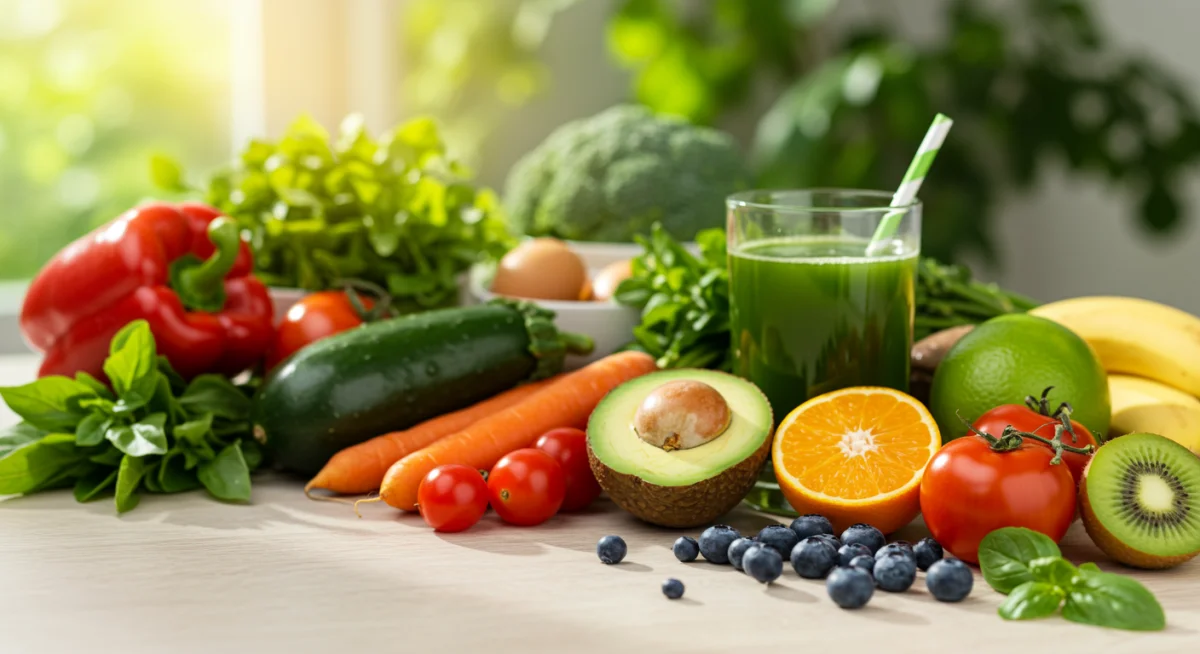
Hydration isn’t solely about drinking water; a significant portion of our daily fluid intake can and should come from the foods we eat. During the summer, nature provides an abundance of fruits and vegetables that are not only refreshing but also packed with water and essential nutrients. Embracing these hydrating foods is a delicious and effective way to supplement your fluid intake and provide your body with vital electrolytes.
Incorporating water-rich foods into your diet offers a dual benefit: it helps meet your hydration needs while also supplying vitamins, minerals, and fiber. This holistic approach to hydration supports overall health, contributing to better digestion, skin health, and energy levels. It’s a natural and enjoyable strategy that aligns perfectly with a balanced summer lifestyle.
top water-rich produce for summer
From juicy fruits to crisp vegetables, there’s a wide variety of options to choose from that can significantly boost your hydration. These foods can be incorporated into meals, snacks, or even blended into refreshing drinks. Their natural flavors also make them an appealing alternative to plain water for those who find it less exciting.
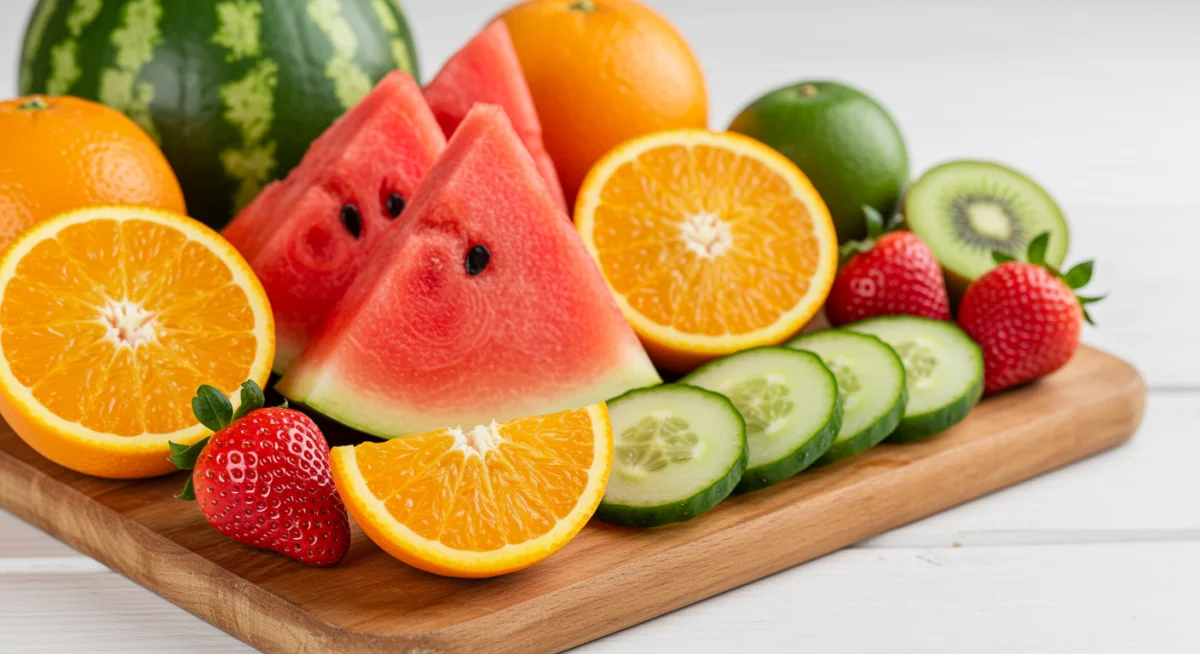
- Watermelon: Composed of about 92% water, it’s also rich in vitamins A and C.
- Cucumbers: Nearly 95% water, excellent for salads or infused water.
- Strawberries: Around 91% water and full of antioxidants.
- Oranges: About 88% water, providing a good dose of Vitamin C.
- Lettuce: Over 95% water, a base for many hydrating salads.
Beyond these, consider bell peppers, cantaloupe, peaches, and celery. These foods can be enjoyed raw, in smoothies, or as part of light summer meals. Making a conscious effort to include a variety of these hydrating foods in your daily diet can significantly contribute to your overall fluid balance, making summer hydration both easy and enjoyable. Think of your plate as another source of refreshing hydration, especially when the heat is intense.
hack 3: electrolyte replenishment strategies
While water is fundamental for hydration, simply drinking plain water may not be enough during intense summer heat or prolonged physical activity. When we sweat, we lose not only water but also essential electrolytes such as sodium, potassium, and chloride. These minerals are vital for nerve function, muscle contraction, and maintaining the body’s fluid balance. Replenishing them is a crucial aspect of comprehensive summer hydration.
An imbalance in electrolytes can lead to muscle cramps, fatigue, dizziness, and in severe cases, more serious health issues. Therefore, understanding how to effectively replenish these lost minerals is just as important as ensuring adequate water intake. This doesn’t necessarily mean relying solely on commercial sports drinks; natural and homemade options can be equally, if not more, beneficial.
natural and commercial electrolyte sources
Many natural foods and beverages are excellent sources of electrolytes. Incorporating these into your diet can help maintain balance without the added sugars and artificial ingredients often found in commercial products. However, for extreme conditions or prolonged exercise, a well-formulated sports drink might be appropriate.
- Coconut water: A natural source of potassium, sodium, and magnesium.
- Fruit juices: Orange and banana juices provide potassium.
- Salt: A pinch of sea salt in water can replenish sodium.
- Electrolyte tablets/powders: Convenient for on-the-go replenishment, choose low-sugar options.
For those engaging in strenuous outdoor activities, a homemade electrolyte drink can be a simple and effective solution. A mixture of water, a pinch of salt, a squeeze of fresh lemon or lime juice, and a teaspoon of honey or maple syrup can provide a balanced blend of fluids and electrolytes. This personalized approach allows for control over ingredients and sugar content, making it a healthier alternative. Prioritizing electrolyte balance ensures that your body functions optimally, even under the stress of summer heat.
hack 4: optimize your environment
Hydration isn’t just an internal process; it’s significantly influenced by our immediate surroundings. Optimizing your environment plays a crucial role in minimizing fluid loss and making it easier to stay hydrated. This hack involves making conscious choices about where and how you spend your time, especially during the hottest parts of the day, to create conditions that support rather than hinder your hydration efforts.
Creating a cooler, more comfortable environment reduces the body’s need to sweat excessively, thereby conserving fluids. This proactive approach can significantly lessen your hydration burden. It’s about being smart with your exposure to heat and leveraging tools and strategies to mitigate its dehydrating effects. A well-managed environment can make all the difference in maintaining your wellness during summer.
staying cool and conserving fluids
Simple adjustments to your daily routine and living spaces can have a profound impact on your hydration status. These measures are particularly important for vulnerable populations, such as the elderly and young children, who may be less able to regulate their body temperature effectively.
- Seek shade: Avoid direct sunlight during peak hours (10 AM to 4 PM).
- Use air conditioning/fans: Keep indoor spaces cool and comfortable.
- Wear light clothing: Opt for loose-fitting, light-colored fabrics that allow your skin to breathe.
- Cool showers/baths: Take cool showers or baths to lower body temperature.
Beyond these immediate actions, consider strategically planning your outdoor activities for cooler parts of the day, such as early mornings or late evenings. When indoors, keep blinds and curtains closed to block out sun and reduce heat gain. Even placing a bowl of ice in front of a fan can create a localized cooling effect. By actively managing your environment, you can reduce the physiological stress of heat, making it easier for your body to maintain its fluid balance and overall health.
hack 5: mindful beverage choices
Not all liquids contribute equally to hydration, and some can even work against your efforts. Mindful beverage choices are a critical component of effective summer hydration. This hack emphasizes distinguishing between genuinely hydrating drinks and those that might lead to further fluid loss or offer minimal benefits. It’s about making deliberate decisions to support your body’s fluid needs rather than inadvertently hindering them.
Understanding the impact of various beverages on your hydration status allows you to optimize your intake. While some drinks might seem refreshing, their diuretic properties or high sugar content can counteract their perceived benefits. Choosing wisely ensures that every sip contributes positively to your overall wellness during the hot months.
navigating dehydrating drinks
Certain beverages, despite being liquids, can actually promote fluid loss or provide empty calories without adequate hydration. Being aware of these and limiting their consumption is key to maintaining proper fluid balance.
- Alcohol: Acts as a diuretic, increasing urine production and fluid loss.
- Caffeinated beverages: Coffee, tea, and some sodas can have a mild diuretic effect; consume in moderation.
- Sugary drinks: Sodas, fruit punches, and sweetened teas can contribute to dehydration by drawing water from cells.
Instead, focus on water, infused water, herbal teas (iced or hot), and diluted fruit juices. Infusing water with fruits like cucumber, mint, lemon, or berries can make it more appealing without adding unnecessary sugars. These options provide flavor and often additional nutrients, encouraging consistent fluid intake. Making mindful beverage choices ensures that your efforts to stay hydrated are truly effective, supporting your health and well-being throughout the summer.
hack 6: listen to your body’s signals
Our bodies are equipped with intricate signaling systems designed to alert us to physiological needs. When it comes to hydration, listening to these signals is paramount, yet often overlooked in our busy lives. This hack emphasizes developing a heightened awareness of your body’s subtle cues, recognizing them as early indicators of dehydration before it progresses to a more serious state. It’s about cultivating a deeper connection with your internal state.
Ignoring early signs of thirst or fatigue can lead to a significant fluid deficit, making recovery more challenging. By tuning into these signals, you can take timely action, preventing the discomfort and potential health risks associated with dehydration. This proactive self-monitoring is a powerful tool in maintaining optimal hydration and overall wellness throughout the summer months.
deciphering thirst and other indicators
Thirst is the most obvious signal, but it’s often a late indicator of dehydration. By the time you feel thirsty, you may already be mildly dehydrated. Therefore, it’s beneficial to recognize other, more subtle signs that your body might be giving you.
- Urine color: Pale yellow or clear urine indicates good hydration; dark yellow suggests dehydration.
- Fatigue/dizziness: Early signs of mild dehydration can manifest as unexplained tiredness or lightheadedness.
- Dry mouth/lips: A common and easily recognizable symptom of insufficient fluid intake.
- Headaches: Dehydration can often trigger headaches or migraines.
Beyond these physical signs, consider your energy levels and cognitive function. Even mild dehydration can impair concentration, memory, and mood. If you notice a dip in your mental clarity or feel unusually irritable, it might be a sign that you need to drink more water. Regularly checking these indicators and responding promptly allows you to stay ahead of dehydration, ensuring your body functions at its best. Developing this self-awareness is a key skill for lifelong wellness, especially during periods of increased physiological stress like summer heat.
hack 7: planning for outdoor activities
Summer naturally invites more outdoor activities, from hiking and cycling to beach trips and gardening. While these activities are enjoyable and beneficial, they significantly increase the risk of dehydration due to increased sweating and sun exposure. This hack focuses on proactive planning for outdoor excursions, ensuring you have the necessary hydration strategies in place before you even step outside. It’s about preparation preventing poor performance and potential health risks.
Adequate preparation for outdoor activities is not just about bringing water; it involves considering the duration, intensity, and environmental conditions. Without proper planning, even a short time outdoors can lead to significant fluid loss and compromise your well-being. A thoughtful approach to hydration ensures you can fully enjoy your summer adventures safely and comfortably.
pre-hydration and during-activity strategies
Effective planning involves both pre-hydration and consistent fluid intake throughout your activity. It also includes strategies to minimize heat exposure and maximize fluid retention.
- Pre-hydrate: Drink 16-20 ounces of water 2-3 hours before outdoor activity, and another 8-10 ounces 15 minutes prior.
- Carry sufficient water: Always bring more water than you think you’ll need, or plan routes with water refill stations.
- Electrolyte drinks for long durations: For activities lasting over an hour, consider a sports drink with electrolytes.
- Take breaks in the shade: Periodically rest in cooler, shaded areas to reduce heat stress.
Remember to dress appropriately for the weather, choosing moisture-wicking fabrics and hats to protect from the sun. If you’re engaging in water sports, don’t forget that you’re still sweating and need to hydrate. Even swimming can lead to dehydration. By integrating these planning strategies, you can transform your summer outdoor experiences into safe, enjoyable, and well-hydrated adventures, preventing common heat-related issues and maintaining your vitality.
| Hydration Hack | Brief Description |
|---|---|
| Strategic Water Intake | Plan consistent, small sips throughout the day, using reminders for optimal absorption. |
| Embrace Hydrating Foods | Incorporate water-rich fruits and vegetables like watermelon and cucumber into your diet. |
| Electrolyte Replenishment | Restore essential minerals lost through sweat using natural sources or balanced drinks. |
| Optimize Environment | Minimize heat exposure by seeking shade, using AC, and wearing light clothing. |
frequently asked questions about summer hydration
While general recommendations suggest around 8 glasses (64 ounces) per day, your exact needs vary based on activity level, body size, and local climate. During summer, listen to your body and aim for consistent intake, potentially increasing it if you’re active or in extreme heat.
For most casual activities, plain water is sufficient. Sports drinks become beneficial for intense exercise lasting over an hour, or in extreme heat, as they replenish electrolytes lost through sweat. However, watch for high sugar content and consider natural alternatives like coconut water.
While water-rich foods like fruits and vegetables contribute significantly to your daily fluid intake, they generally cannot fully replace plain water. They are excellent supplements, providing essential vitamins and minerals alongside hydration, but direct water consumption remains crucial for optimal fluid balance.
Early signs include increased thirst, dry mouth, infrequent urination, dark yellow urine, fatigue, and headaches. Recognizing these cues quickly allows you to rehydrate before symptoms escalate to more severe conditions like heat exhaustion or heatstroke.
Infuse your water with natural flavors using fruits (lemon, berries), vegetables (cucumber), and herbs (mint). You can also try sparkling water, chilled herbal teas, or making your own low-sugar electrolyte drinks. Keeping water easily accessible and chilled also encourages more frequent sips.
conclusion
As we navigate the increasingly warm summers, particularly looking ahead to 2026, the importance of proactive hydration cannot be overstated. Implementing these seven practical summer hydration hacks is not just about avoiding discomfort; it’s a fundamental strategy for maintaining optimal wellness and significantly reducing the risk of heat-related issues. By understanding the body’s needs, embracing water-rich foods, making mindful beverage choices, and optimizing our environments, we empower ourselves to thrive even in the hottest conditions. Prioritizing consistent fluid intake and electrolyte balance ensures that our bodies function at their peak, allowing us to fully enjoy the season with vitality and health. Stay cool, stay hydrated, and embrace a summer of wellness.